The tourism sector in the Sultanate of Oman and its impact on real estate
2026-11-12
27 Views
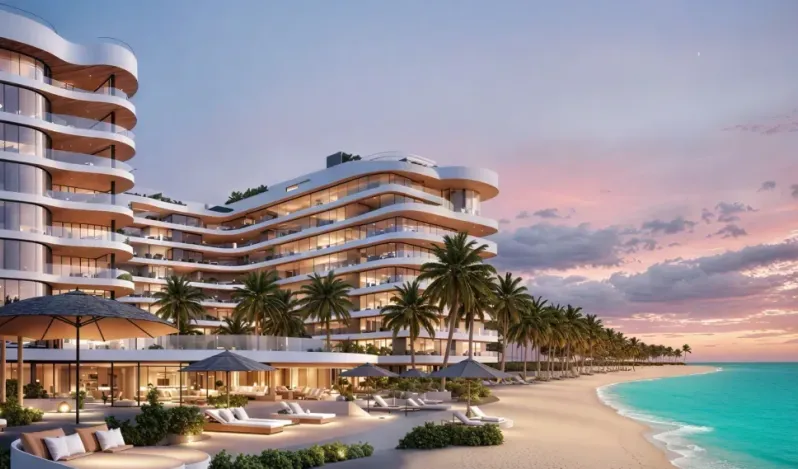


Oman welcomed 4 million visitors in 2025, and inbound tourism spending exceeded 1 billion Omani riyals (about 2.6 billion US dollars), according to data from the National Center for Statistics and Information. The tourism sector is directly linked to the real estate market in the Sultanate, as one of the freehold ownership paths for foreigners is the Integrated Tourism Complexes (ITC), and tourism demand drives short-term rentals in coastal areas. This article presents the sector's figures for 2025 and 2026, its goals up to 2040, the most sought-after destinations, and the connection to real estate investment.
Tourism Sector Figures in Oman for 2025
Indicator | Value |
|---|---|
Number of visitors | 4 million visitors |
Inbound tourism spending | More than 1 billion Omani riyals (about 2.6 billion dollars) |
Hotel guests | More than 5 million guests, compared to 3.5 million in 2018 |
Number of hotels | About 1,475 hotels, an increase of over 1,000 hotels compared to 2018 |
Three-to-five-star hotel revenues until the end of October | 222.1 million Omani riyals (about 577 million dollars), up 19.4% |
European guests until the end of October | 483,574 guests, up 23.1% |
Tourism Sector Performance in Oman during 2026
Oman welcomed 1.8 million visitors in the first half of 2026, a level similar to the same period in 2025, then 2.5 million visitors between January and August. The value added by accommodation and food activities reached 369 million Omani riyals (about 958 million dollars) in the first half of the year, and bookings by Omani guests in hotels increased by 3%.
Top source markets for visitors in the first half of 2026:
Country | Number of visitors |
|---|---|
UAE | 491,503 |
India | 382,015 |
Germany | 68,000 |
UAE visitors often come for short trips and family holidays throughout the year, while German visitors are interested in eco-tourism, adventure, and heritage.

Read also: Properties for sale in Muscat for foreigners
Tourism Sector Goals in Oman Vision 2040
The tourism sector's contribution to Oman's GDP reached 2.7% in 2024, and the Sultanate aims to raise it to 3.5% by 2030 and to 5.3% by 2040. National goals also include attracting 12 million visitors annually and providing more than 500,000 job opportunities in the sector by 2040.
The vision to achieve these goals relies on Integrated Tourism Complexes, luxury tourism products, and specialized types of tourism such as adventure tourism and stargazing, in addition to expanding hotels, airports, and flights.
The Most Popular Tourist Destinations in Oman
Muscat: The capital and main entry point via Muscat International Airport, home to the largest number of hotels in the Sultanate. Its notable tourist areas include Al Mouj Muscat with its marina and golf course, Yiti on the southeast coast, Muscat Hills, and Qurum Beach.
Salalah and Dhofar Governorate: The main destination during the Khareef season between June and September, when temperatures drop and the number of Gulf visitors rises. It features the Hawana Salalah complex on the shores of the Arabian Sea.
Jebel Sifah: A coastal resort southeast of Muscat, with a marina and Omani architectural style.
Jebel Akhdar: It received 101,608 visitors in the first half of 2026, an increase of 13% over the same period in 2025. The Rose Festival between late March and mid-April was a key reason for this rise.
Freehold Ownership Paths for Foreigners in Oman and Their Relation to Tourism
Freehold ownership for foreigners in Oman is available through three official paths, each linked to the tourism sector to varying degrees:
Integrated Tourism Complexes (ITC): Areas designated for integrated tourism and residential projects, supervised by the Oman Tourism Development Company (Omran). This path is directly linked to tourism, as it includes yacht marinas, golf courses, hotels, beaches, and residential units. Notable projects include Al Mouj Muscat, Yiti, Muscat Hills, Jebel Sifah, and Hawana Salalah.
Future cities: Under the Ministry of Housing and Urban Planning, the most prominent is Sultan Haitham City in Seeb, with its neighborhoods Wadi Zaha, Al Wafa, January Residences, and Al Sarouj Oasis. This path is aimed at permanent family residence and long-term investment, benefiting from the growth of the non-oil economy, of which tourism is a pillar, and from government investment in surrounding infrastructure.
Integrated residential neighborhoods (Sorouh): Also under the Ministry of Housing, not all of these projects are available for freehold ownership by foreigners, so each project must be checked individually. Current available projects in South Al Batinah Governorate include Al Luban District and Plumeria Al Majd District.
Purchasing through these three paths entitles the buyer to apply for a real estate residence permit according to the conditions specified for each path and project. GCC nationals have the same ownership rights as Omani citizens, except in archaeological, security, and border areas.
Read also: Villas for sale in Muscat for foreigners
The Impact of Tourism on the Real Estate Market in Oman
Short-term rentals in coastal areas: Demand for short-term rental units in integrated tourism complexes is tied to tourism seasons, such as the winter season in Muscat from October to April, and the Khareef season in Salalah, as well as local demand during weekends.
Diversified sources of demand: Visitors come from the Gulf, India, and Europe, each market with its own season, so rental demand is spread over several periods throughout the year.
Investment in infrastructure: Vision 2040 goals require expansion in hotels, roads, airports, and entertainment facilities, which impacts the surrounding residential areas.
Personal use and rental together: The owner of a unit in an integrated tourism complex can use it during specific periods and rent it out for the rest of the year according to the applicable regulations. Tourist rentals are subject to licensing by the relevant authorities and to the rules of the complex's management.
Jobs and housing: The sector aims to provide more than 500,000 job opportunities by 2040, accompanied by increased demand for housing in cities where tourism activities are concentrated, notably Muscat and Salalah.
Oman welcomed 4 million visitors in 2025, aiming for 12 million visitors annually and to raise tourism's contribution to GDP to 5.3% by 2040. This growth is directly linked to the real estate market, especially in integrated tourism complexes that combine housing, hotels, and entertainment facilities, and in future cities that benefit from infrastructure expansion and job creation.
Owners planning to rent out their units during tourism seasons or living outside Oman need a party to follow up on the property after delivery. You can check apartments for sale in Oman within the three available paths for foreigners, then contact the property management team at Imtilak Global to arrange the operation of your unit after handover.
Frequently Asked Questions
What is the best time to visit Oman for tourism?
The winter season in Muscat and the northern coastal areas extends from October to April, while the summer is the Khareef season in Salalah from June to September. Jebel Akhdar receives large numbers of visitors in spring and during the rose season.
Can a foreigner buy property in a tourist area in Oman?
Yes, in integrated tourism complexes such as Al Mouj Muscat, Yiti, Muscat Hills, Jebel Sifah, and Hawana Salalah, in addition to the other two paths available for freehold ownership by foreigners: future cities and eligible Sorouh projects.
Can the unit be rented to tourists when not in use?
This is possible in complexes that allow tourist rentals, after obtaining the required license and adhering to the complex's management rules. Some complexes offer management and rental services to owners through their approved management company.
Which markets bring the largest number of visitors to Oman?
The UAE and India top the list of source markets, followed by Gulf and European countries, notably Germany, with a significant increase in European visitors during 2025.
Do you like this topic? You can share it with your friends now!


Do you like this topic? You can share it with your friends now!