


Oman Real Estate | Discussing a Unique Development Model Away from Skyscrapers
2026-04-20
2,907 Views


The Sultanate of Oman is planning to transform its capital, Muscat, into a higher-density and greener city, with the development of a modern public transportation network.
This comes as part of an urban plan developed by experts from "Broadway Malyan," aiming to help the coastal city, with a population of 1.4 million, cope with the challenges of rapid population growth, diversify the economy away from oil, and address climate change risks by 2040.
Although the plan has not yet received final approval, it is supported by the Omani Ministry of Housing and presents a new vision for urban expansion in the region.
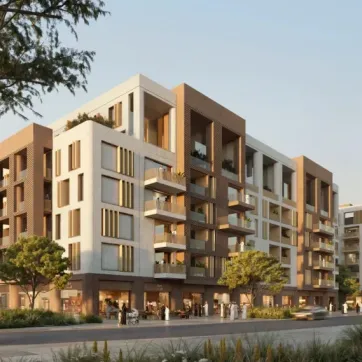
Unlike city models such as Dubai and Abu Dhabi, which are known for their skyscrapers, the plan aims to develop mid-rise buildings and increase green spaces, enhancing the sustainability of the urban environment.
Muscat... and the Challenges of the Future...
Muscat faces unique challenges related to its geography; it is located between a series of mountains and the sea, which has led to the city stretching along a narrow and winding corridor, forming a multi-centered city. Residents experience long commute times, sometimes reaching up to 160 minutes during peak hours, which encourages people to stay within their residential areas.
The city is interspersed with a network of wadis that remain dry most of the year but turn into rivers during the rainy season, exposing about 45% of its area to flood risk. This adds to the challenges of increasing climate changes, as the city experiences sudden floods, such as those that occurred in May 2024 and led to the death of 17 people.
The Future Vision
By 2040, Muscat's population is expected to reach 2.7 million.
If current urban expansion continues at the same pace, the city will suffer from unsustainable urban growth. Accordingly, the master plan includes developing an integrated public transportation network, including the construction of a 55-kilometer light rail line along the coast, to become the new backbone of city mobility. Higher-density areas will also be developed near the rail line, in addition to constructing mid-rise buildings that preserve the beauty of the mountain landscapes.
Preserving Green Spaces
To achieve this balance, the plan includes banning construction in some environmentally important areas, such as mountain slopes.
These areas will be used as the city's future "green lungs." Additionally, the wadi networks will be developed by planting native vegetation and using recycled water to enhance green spaces.
Although it is still uncertain whether the plan will be fully implemented, the steps that have already begun, such as the feasibility study for the light rail line, strengthen the chances of realizing this ambitious vision, which could achieve investments worth $19 billion, with an expected return of up to $50 billion.
You may be interested in reading: Oman Golden Visa for Real Estate Investors
Edited by: Imtilak Global©
Do you like this topic? You can share it with your friends now!


More From Imtilak
Oman news
Real estate transactions in the Sultanate exceed 1.43 billion riyals during the first half of 2026



Oman news
The Omani real estate market records 1.7 billion riyals in July and mortgage jumps by 22%

Oman news
New decision: Facilities regarding the residence of foreigners and property owners in the Sultanate of Oman