Residence after purchasing property in integrated tourist complexes
2026-10-27
112 Views



Foreign buyers often ask, before any discussion about price or size, "When can I reside in the Sultanate of Oman?" In Integrated Tourism Complexes (ITC) specifically, the answer is not linked to the day the contract is signed, but to the day construction is completed and the unit is registered in the owner's name.
This means that the delivery date listed on each project's page is assumed to be the approximate date when your residency and that of your family begins. This article explains the logic behind this connection, what the 2026 decision regarding property owners' residency added, and when residency actually starts in the most prominent projects available today.
- Why is residency in Integrated Tourism Complexes tied to construction completion?
- What did Royal Oman Police Decision No. 87/2026 add?
- What about the construction period before residency?
- When does your residency start in the most prominent ITC projects?
- Ready property or under construction from a residency perspective
- How to plan your residency date before buying?
- The difference between ITC residency and Ministry of Housing pathways
- Frequently Asked Questions
Why is residency in Integrated Tourism Complexes tied to construction completion?
Real estate residency in the Sultanate of Oman is granted to a property owner, and full legal ownership in ITCs is embodied in the title deed issued after construction is completed. Before that, the buyer is a party to a sales contract for a unit under construction, and afterwards becomes a registered owner of an existing unit that can be proven with an official certificate.
This is the natural order of steps: the buyer signs the contract and pays installments during the construction period, then the unit is completed and registered, the title deed is issued, and based on this deed, the competent authority issues the certificate with which the owner applies for residency.
This arrangement protects the buyer before anyone else, as it makes residency dependent on a completed and registered property, not just a promise of construction. When the project is completed, the owner receives both at nearly the same time: a unit ready for living or renting, and a legal right to residency.
What did Royal Oman Police Decision No. 87/2026 add?
In June 2026, the Royal Oman Police issued Decision No. 87/2026 amending some provisions of the executive regulations of the Foreigners’ Residency Law. The most notable aspect was simplifying residency for property owners. Now, a foreigner who owns a residential unit can obtain residency without a sponsor, based on a certificate issued by the competent authority for ownership.
This right extends to first-degree family members, as well as legal representatives of companies owning properties in the Sultanate. The new provisions require the beneficiary to enter the Sultanate within three months of the visa being issued, and residency remains linked to the property itself. If the unit is sold or its ownership transferred by any legal action, the residency of the owner and their dependents ends.
For buyers of units under construction in ITCs, this decision means the process after delivery is clearer and faster. As soon as the unit is completed and registered, the ownership certificate is sufficient to begin residency procedures without searching for a sponsor. This residency runs in parallel with the well-known investor residency program and does not replace it.
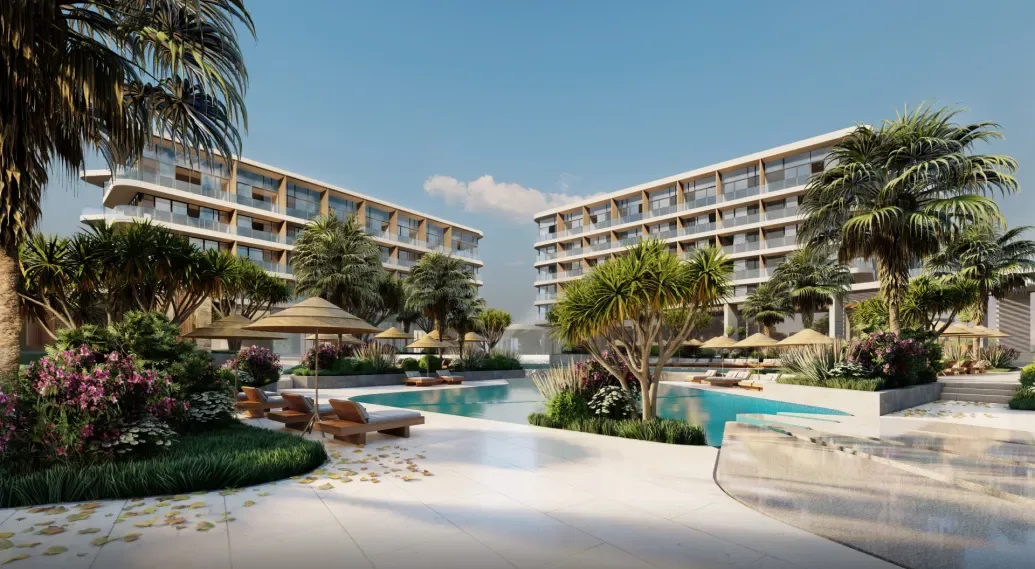
Also read: Apartments for sale in Muscat by the sea
What about the construction period before residency?
The construction period does not mean the buyer is distant from their property until the day of delivery. The same decision addressed entry visas linked to property purchase, and reports published about it indicate that these visas range from six months to one year, renewable, and allow stays in the Sultanate for up to three months per visit.
This stage gives the buyer a practical opportunity to follow up on the construction progress personally, visit the community where they will live, and get to know the surrounding schools and services before the family's move. Several developers in ITCs also facilitate multiple-entry visa procedures for their clients after signing the sales contract, then start the residency file with them when the project is completed.
The result is that the transition from buyer to resident passes through two connected phases: regular visits during construction, then stable residency after delivery. This sequence suits those planning to settle in Oman within two or three years.
When does your residency start in the most prominent ITC projects?
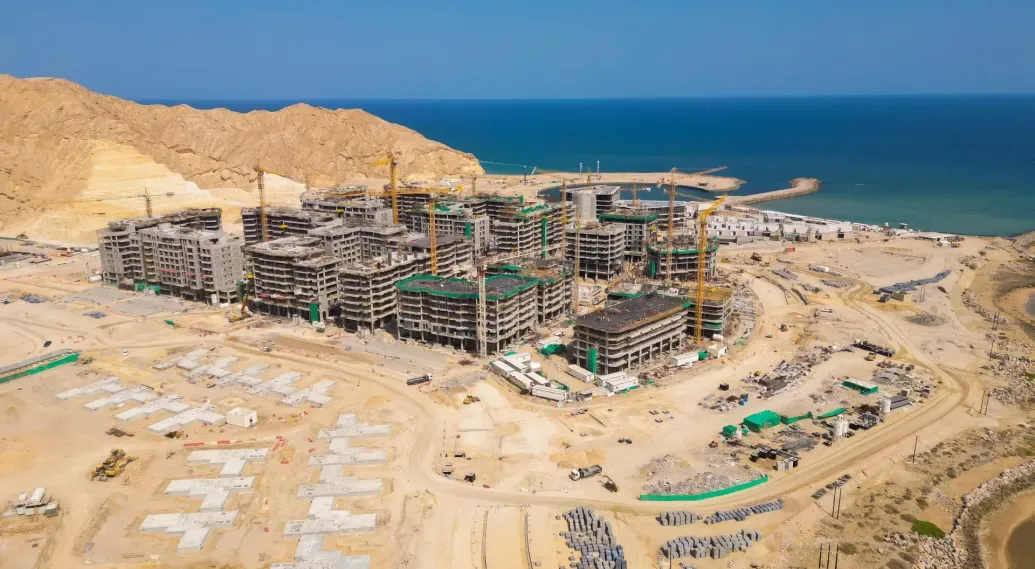
Since residency follows delivery, the expected delivery date for each project becomes the closest indicator of when your residency will begin. The table below lists the most prominent projects currently available for freehold ownership by foreigners according to this date.
Project | Area | Expected Delivery | Starting from (OMR) | Starting from (Approx. USD) |
|---|---|---|---|---|
Mandarin Oriental Residences | Qurum | Ready | 171,000 | $444,371 |
Muscat Bay | Muscat Bay | Q3 2027 | 115,000 | $298,846 |
The Sustainable City | Yiti | Q4 2027 | 86,818 | $225,610 |
Amazi Hawana | Salalah | Q4 2027 | 124,000 | $322,234 |
Golf Hills | Muscat Hills | Q1 2028 | 77,000 | $200,097 |
The Great Escape 2 | Yiti | Q3 2028 | 115,000 | $298,846 |
Aida | Yiti | Q4 2028 | 120,000 | $311,839 |
Opal Residences | Muscat Hills | Q4 2028 | 80,000 | $207,893 |
Sky Park Al Mouj | Al Mouj Muscat | Q1 2029 | 81,200 | $211,000 |
Almar Residences | Al Mouj Muscat | Q2 2029 | 107,000 | $279,000 |
Vestal | Al Mouj Muscat | Q2 2029 | 152,000 | $394,996 |
Raya Qurum | Qurum | Q3 2029 | 49,000 | $127,334 |
Tathmeer Hills | Al Thuraya, Bousher | Q4 2030 | 56,101 | $145,787 |
The table shows a balance that the buyer weighs between two things: the unit with the closest delivery grants faster residency, while the unit with a later delivery often offers a lower entry price and more time to spread out payments. Those needing residency within a year or two should look at 2027 and 2028 projects, while those planning for a longer term may find 2029 and 2030 projects a better fit for their budget.
Delivery dates remain estimates as announced by developers, and the title deed is issued after construction is completed and the unit is registered.
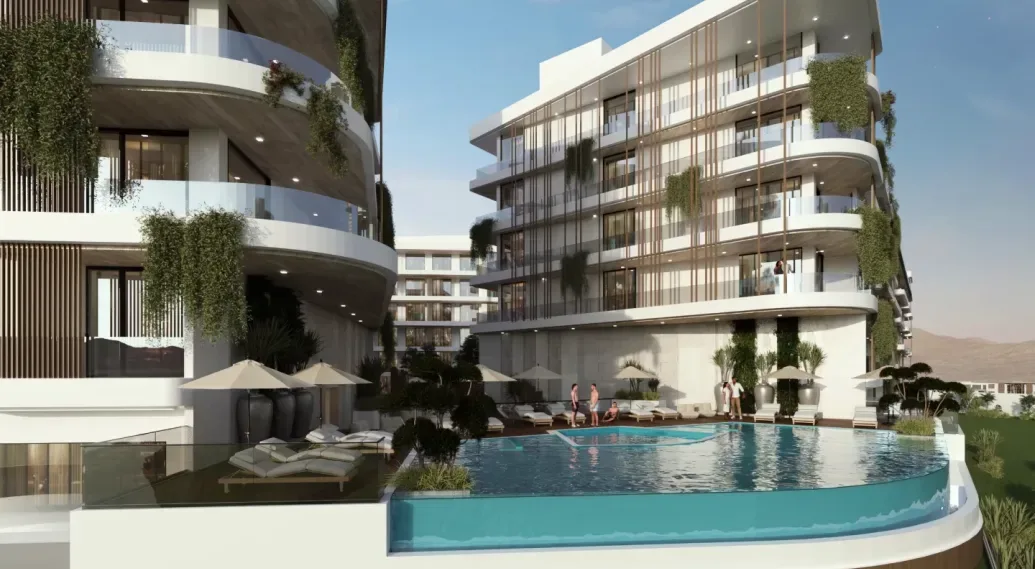
Also read: Properties for sale in Oman for foreigners
Ready property or under construction from a residency perspective
When the primary goal of purchase is residency, a ready property offers the advantage of time. The completed and registered unit allows the owner to apply for residency immediately after the transfer of ownership, without waiting for years of construction. Mandarin Oriental Residences on Qurum Beach is an example of this option, as it allows its owner to move to residency and housing in one step.
On the other hand, a property under construction offers financial advantages to compensate for the waiting period, most notably the early entry price and the ability to spread payments until delivery, in addition to potential value appreciation during construction. This option is usually preferred by investors who are not in a hurry to move, or families planning to settle in line with a future academic or professional stage.
The right decision here is not about which is better, but about a question that determines your direction: when do you actually need residency? If the answer is within months, ready property is the way. If it is within years, under construction gives you greater value for your money.
How to plan your residency date before buying?
The first step in planning is to start from the date you need residency, then work backwards to the suitable project. For example, a family wanting to enroll their children in a school in Muscat at the start of a specific academic year should choose a project with a delivery date preceding this by a reasonable margin, as delivery, registration, and certificate issuance all require extra time.
The second step is to prepare family documents early, such as marriage contracts and children's birth certificates duly attested, as these documents are usually required when adding family members to the owner's residency. Preparing them during construction shortens the process by weeks after delivery.
The third step is to coordinate with the payment schedule. Some plans are completed before delivery, while others leave a payment for handover. A buyer who knows in advance when their financial commitments will be completed can plan their family's move without financial pressure in the first months of residency.
The difference between ITC residency and Ministry of Housing pathways
ITCs differ in residency timing from the other two freehold ownership pathways for foreigners in Oman: future cities like Sultan Haitham City, and integrated residential neighborhoods (Sorouh) affiliated with the Ministry of Housing. In these two pathways, paying 30% of the property value qualifies you to apply for real estate residency before construction is completed, and residency extends to the spouse and children when the property value reaches 50,000 OMR (about 130,000 USD) or more.
This difference gives the buyer two options with different logics: the Ministry of Housing pathway suits those who want relatively early residency linked to the payment percentage, while ITCs suit those who prefer coastal and fully serviced tourism communities, and residency starts with a completed unit that can be lived in. In both pathways, the title deed is issued after construction is completed.
To compare the available options in both pathways by area and price, you can browse Apartments for sale in Oman available for freehold ownership by foreigners.
In ITCs, the delivery date determines your residency date, and with the 2026 decision that abolished the sponsor requirement for residential unit owners and extended residency to first-degree family members, the path from purchase to settling in Oman is clearer than ever: it starts with visits during construction and ends with stable residency in a completed unit.
If you know when you want to start your life in Oman, Imtilak Global advisors match this date with the delivery schedules of available projects and recommend the unit whose residency date aligns with your plan, with a payment schedule calculated in OMR and USD.
Frequently Asked Questions
When does a property buyer in an Integrated Tourism Complex get residency?
After construction is completed and the unit is registered in their name, as residency is based on the ownership certificate issued by the competent authority.
Do I need a sponsor to obtain property owner residency in Oman?
No, according to Royal Oman Police Decision No. 87/2026, a residential unit owner can obtain residency without a sponsor, based on the ownership certificate.
Does property owner residency include family members?
Yes, the right to residency extends to first-degree family members, with documents proving the relationship.
Can I visit Oman during the construction period of the unit?
Yes, entry visas linked to property purchase allow repeated visits during the construction period, and several developers assist their clients with these procedures after signing the contract.
What happens to residency if I sell the property?
The residency of the owner and their dependents ends when the unit is sold or its ownership is transferred, as residency is linked to the property itself.
Which project grants faster residency in ITCs?
Ready properties like Mandarin Oriental Residences in Qurum allow you to apply for residency immediately after ownership transfer, followed by projects expected to be delivered in 2027 such as Muscat Bay, The Sustainable City, and Amazi Hawana.
Do you like this topic? You can share it with your friends now!


Do you like this topic? You can share it with your friends now!