


Foreign Property Ownership in Oman: Full Guide
2026-09-17
64,889 common.blog.views
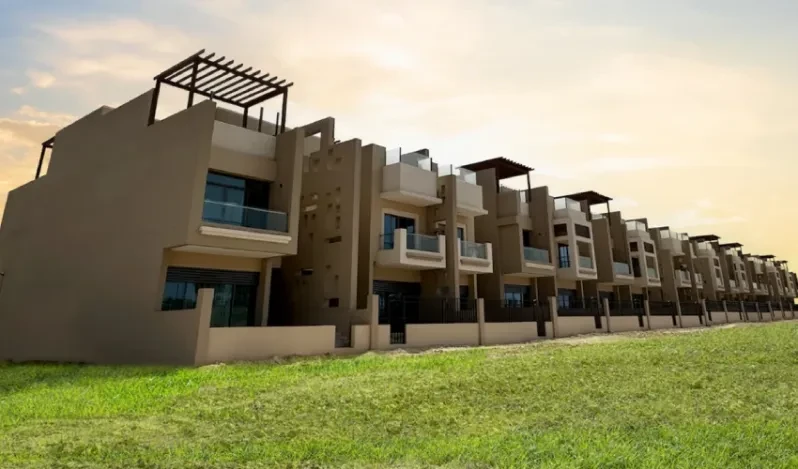


Foreign property ownership in Oman follows a well-defined legal framework that balances attracting international investment with protecting strategically designated areas. Whether you are planning to buy property in Oman for residential purposes, investment, or to obtain property-linked residency, this guide explains the governing legislation, the differences between the regulations for GCC nationals and other foreign buyers, the permitted and restricted ownership zones, and the most attractive investment opportunities currently available.
- Foreign Property Ownership Law in Oman
- Property Ownership in Integrated Tourism Complexes (ITCs)
- Property Ownership Rules for GCC Nationals in Oman
- Areas Where Foreign Property Ownership Is Restricted in Oman
- Requirements for Foreign Property Ownership in Oman
- Buyer Requirements
- Property Requirements
- Required Documents
- Property Prices in Oman for Foreign Buyers
- Property Residency in Oman
- Benefits of the Property Investor Residency Program
- Minimum Property Value for Residency (2026 Updated Thresholds)
- Can Property Residency Include Family Members?
- Best Areas for Foreign Property Ownership in Oman
- Integrated Tourism Complexes (ITCs)
- Investment Opportunities in Dhofar and Salalah
- New Real Estate Developments for Foreign Buyers
- Real Estate Investment in Oman
- How Imtilak Global Oman Can Help
- Frequently Asked Questions
- Can foreign nationals of any nationality buy property in Oman?
- What is the difference between freehold ownership and usufruct rights in Oman?
- Does buying property automatically grant permanent residency in Oman?
Foreign Property Ownership Law in Oman
The legal framework governing foreign property ownership in Oman is established under Royal Decree No. 29/2018 and its Executive Regulations, implemented by the Ministry of Housing and Urban Planning.
Under this framework, Omani nationals and locally registered entities enjoy unrestricted freehold ownership across the Sultanate. In contrast, property ownership by non-Omanis is limited to designated geographical zones and approved developments. Foreign buyers are permitted to acquire property within Integrated Tourism Complexes (ITCs), Future Cities, and Integrated Residential Neighborhoods (Sorouh), while ownership remains prohibited in certain governorates, protected locations, and agricultural land as specified by law.
The geographical scope available to foreign buyers is far from limited. It primarily covers Integrated Tourism Complexes in Muscat and Dhofar, in addition to selected government-approved investment developments outside the ITC framework. Therefore, every foreign property purchase in Oman begins with one essential question: Is the property located within an approved ownership zone? The answer determines whether the transaction is legally permissible and which ownership framework applies.
Property Ownership in Integrated Tourism Complexes (ITCs)
Integrated Tourism Complexes (ITCs) are master-planned mixed-use developments combining residential, hospitality, leisure, and commercial facilities. They represent one of the most established and popular avenues for foreign property ownership in Oman.
Within these developments, foreign nationals may purchase eligible properties in accordance with the regulations governing each project. Depending on the project's licensing structure and the type of unit, buyers may acquire either full freehold ownership or usufruct rights. The principal eligibility requirements generally include:
Holding a valid residence permit in Oman.
Being at least 18 years of age.
Meeting the financial and procedural requirements established by the developer.
Complying with any contractual restrictions that may apply to usufruct properties, including limitations on resale or transfer during a specified period.
Ensuring that any property financing or mortgage arrangements comply with Omani law.
Each ITC development is also subject to its own regulatory conditions and licensing requirements, including allocation ratios and ownership distribution rules designed to preserve the project's investment profile and planning objectives. Consequently, there is no universal limit on the percentage of units that may be sold to foreign buyers—or to buyers of a single nationality—unless such limits are expressly stated in the development's licence or governing regulations.
Property Ownership Rules for GCC Nationals in Oman
Citizens of the Gulf Cooperation Council (GCC) generally enjoy broader property ownership rights in Oman than other foreign nationals, subject to specific legal conditions.
GCC nationals may own more than one residential plot, with one exception: UAE nationals of Omani origin are permitted to purchase only one residential plot at a time. Once it has been legally transferred or disposed of, they may acquire another property. Additional requirements include:
The property must not be subject to seizure, legal dispute, or mortgage.
The buyer must be at least 21 years old.
If a GCC buyer is under the age of 21, the title deed must be jointly registered with a parent.
Vacant land cannot be sold or commercially developed until at least four years have passed from the date of purchase.
If vacant land is sold within four years of acquisition, at least one building must have been constructed on the plot.
Areas Where Foreign Property Ownership Is Restricted in Oman
Under Royal Decree No. 29/2018 and its Executive Regulations, non-Omani nationals, including GCC citizens, are prohibited from owning land or built properties in specific protected areas across the Sultanate. These restricted areas include:
Archaeological and historical sites.
Areas within a 1,000-metre radius of Royal Palaces.
Areas within a 15-kilometre radius of military and security facilities.
Other protected locations designated under Omani law, including certain islands, mountain regions, and agricultural land.
As a result, foreign property ownership remains limited to government-approved developments and designated ownership zones established by the Ministry of Housing and Urban Planning.
Requirements for Foreign Property Ownership in Oman
In addition to purchasing within an approved ownership zone, foreign buyers must satisfy several legal and procedural requirements before acquiring properties in Oman.
Buyer Requirements
Hold a valid Omani residence permit for at least two years.
Be at least 18 years of age.
Obtain prior approval from the Ministry of Housing and Urban Planning before completing the official purchase transaction.
Property Requirements
The property must:
Be located within an approved ownership zone, such as an Integrated Tourism Complex (ITC), a Future City, or an approved Sorouh development.
Be officially registered and fully compliant with Oman's building regulations and Land Registry requirements.
Required Documents
Foreign buyers are generally required to submit:
A preliminary sale and purchase agreement specifying the property details, purchase price, and payment schedule.
A valid passport.
Any additional documents requested by the competent authorities.
Upon completion of the legal procedures, the buyer will receive either a Freehold Title Deed, where full ownership is permitted, or an official Usufruct Certificate, depending on the project's legal framework.
Property Prices in Oman for Foreign Buyers
The prices of properties in Oman vary significantly depending on the location, development stage, and property type.
Within Sultan Haitham City, apartment prices typically start from approximately OMR 48,000 for smaller units. At the premium end of the market, luxury coastal developments such as Yiti offer high-end residences exceeding OMR 250,000. Independent villas generally command higher prices, particularly in developments offering larger land plots and greater privacy.
One of the defining characteristics of Oman's property market is its off-plan pricing model. Properties purchased during the construction phase are typically offered at substantially lower prices than completed units, making off-plan investment particularly attractive in many of the Sultanate's major developments.
Integrated communities also offer attractive rental returns, generally ranging between 5% and 8% annually. While Oman does not impose personal income tax on rental income, landlords are subject to a 3% municipal fee on registered tenancy agreements. In addition, a 3% property transfer (registration) fee is payable upon the purchase of real estate.
Property Residency in Oman
One of the key advantages of foreign property ownership in Oman is its direct connection to obtaining long-term, and in some cases renewable, residency without the need for a local sponsor or permanent employment.
Benefits of the Property Investor Residency Program
Property-linked residency offers several advantages, including:
Legal residency for the property owner and their immediate family members.
The freedom to enter and leave Oman without the need for repeated visa applications.
The ability to establish a business based on the residency status.
Access to healthcare and educational services available to legal residents.
Minimum Property Value for Residency (2026 Updated Thresholds)
According to the most widely adopted investment thresholds in the market, foreign buyers may qualify for:
A renewable one-year residency permit by purchasing a property valued at OMR 130,000 or more.
A renewable five-year residency permit by purchasing a property valued at over OMR 250,000.
Sultan Haitham City offers a more flexible pathway. Buyers may become eligible for property residency after paying 30% of the purchase price, provided the property's total value exceeds OMR 50,000. This makes Sultan Haitham City one of the most accessible routes to obtaining property-linked residency in Oman.
Can Property Residency Include Family Members?
Yes. Property owners may include their spouse and dependent children within the same residency application, provided they submit the required documents proving the family relationship. This makes property ownership an attractive option not only for individual investors but also for families seeking long-term stability in Oman.
Best Areas for Foreign Property Ownership in Oman
Foreign buyers can choose from a growing number of approved developments across Oman, each catering to different investment goals and lifestyles.
Integrated Tourism Complexes (ITCs)
Muscat is home to the largest concentration of freehold developments available to foreign buyers.
Sultan Haitham City, located in Al Seeb, offers freehold ownership to all nationalities through several master-planned neighborhoods, including Al Wafa, January Residences, Wadi Zaha, and Sarooj Oasis.
Among the Sultanate's most established ITCs is Al Mouj Muscat, while Yiti has emerged as one of the country's most sought-after coastal destinations, featuring landmark projects such as AIDA and The Sustainable City, both offering premium sea views close to the capital. Other developments, including Muscat Bay, continue to introduce new residential and investment opportunities each year.
Investment Opportunities in Dhofar and Salalah
Salalah has become one of Oman's leading investment destinations for foreign buyers. The flagship Amazi Hawana Salalah development combines tourism and residential investment in a unique natural setting, offering a completely different lifestyle from Muscat. The region's famous Khareef season attracts a distinct tourism market, creating strong potential for both holiday rentals and long-term capital appreciation.
New Real Estate Developments for Foreign Buyers
Within Sultan Haitham City, several master-planned communities stand out:
Wadi Zaha, overlooking the Central Park and offering a mix of apartments and villas.
Al Wafa District, one of the city's largest communities with strong sales performance since launch.
January Residences, strategically positioned near the city's main transport corridors.
Sarooj Oasis, designed as an integrated community with extensive lifestyle amenities.
In Yiti, two projects have attracted significant investor interest:
AIDA, featuring luxury hillside villas with panoramic sea views.
The Sustainable City – Yiti, a pioneering low-carbon community focused on environmentally sustainable living.
Real Estate Investment in Oman
Oman's real estate market combines relative economic stability with an increasingly investor-friendly legal framework, offering advantages that are not always available elsewhere in the region.
The absence of personal income tax on rental income, together with modest transaction cost, including a 3% property registration fee and a 3% municipal fee on registered tenancy contract, creates an attractive environment for foreign investors.
With investment opportunities spread across Muscat, Salalah, and other approved developments, buyers can tailor their strategy according to their objectives, whether they seek:
Stable rental income.
Long-term capital appreciation.
Property-linked residency for themselves and their families.
Ultimately, selecting the right location is only part of a successful investment. Equally important is confirming that the property falls within an approved ownership zone and verifying the legal status and licensing of the development before signing any purchase agreement.
Read also: Real Estate Investment in Oman
How Imtilak Global Oman Can Help?
Understanding Oman's property laws, identifying approved ownership zones, and comparing the many developments across Muscat and Salalah can be challenging without expert local guidance.
At Imtilak Global Oman, we help foreign buyers verify whether a property qualifies under Oman's foreign ownership regulations before any financial commitment is made. We also provide objective comparisons between projects in Muscat, Salalah, and other approved developments, ensuring that every recommendation aligns with your investment goals.
If you are considering foreign property ownership in Oman and would like professional guidance before making your decision, our team is ready to assist you.
Frequently Asked Questions
Can foreign nationals of any nationality buy property in Oman?
Yes. Foreign property ownership in Oman is open to all nationalities through approved Integrated Tourism Complexes (ITCs), Future Cities, and Integrated Residential Neighborhoods (Sorouh). GCC nationals also benefit from a broader ownership framework under Omani law.
What is the difference between freehold ownership and usufruct rights in Oman?
Freehold ownership grants permanent ownership of both the property and, where applicable, the underlying land. Usufruct grants the legal right to use and benefit from a property for a specified period without transferring ownership of the land and is subject to certain restrictions, including limitations on transfer during the first four years.
Does buying property automatically grant permanent residency in Oman?
No. Purchasing property does not automatically confer residency. Buyers must meet the applicable investment thresholds, satisfy the eligibility requirements associated with their ownership category, and submit a formal residency application to the competent authorities after completing the purchase and registration process.
common.blog.share_article


common.blog.share_article
common.blog.more_imtilak
Legal affairs in oman
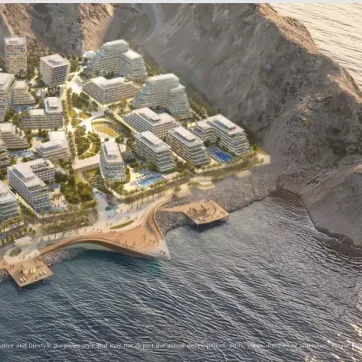
Foreign ownership in Mutrah and freehold housing opportunities in the heart of historic Muscat


Legal affairs in oman
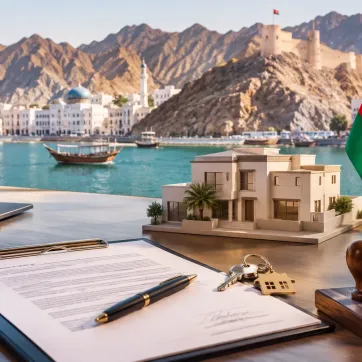
Signing a property purchase contract in the Sultanate of Oman with an official power of attorney from abroad
Legal affairs in oman
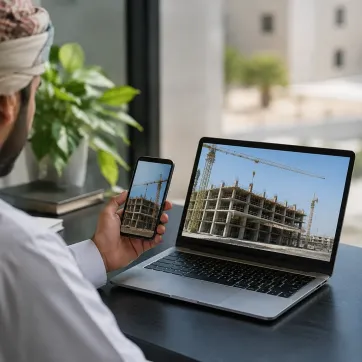
How can you monitor the progress of your property under construction remotely?