The rise in real estate prices in the Sultanate of Oman by 22.7%: What does it mean for investors and buyers?
2026-09-21
50 Views
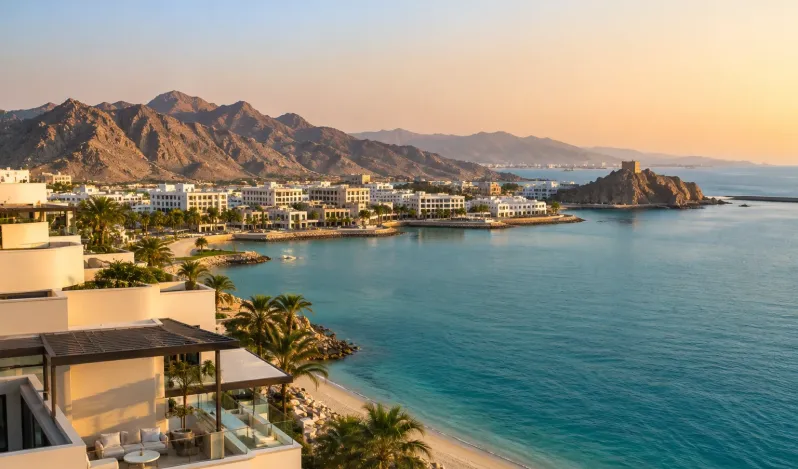


Data from the National Center for Statistics and Information in the Sultanate of Oman revealed a 22.7% increase in the real estate price index during the second quarter of 2026 compared to the same period last year, marking one of the most significant jumps recorded by the Omani real estate market in years. This figure reflects a shift in the nature of demand for real estate in Oman and deserves careful analysis from two different perspectives: the investor seeking returns and the buyer seeking housing or long-term stability.
How many living rooms are in the apartment?

Why did prices rise this way?
In recent years, the Sultanate has witnessed a clear shift in real estate policies, most notably the expansion of the freehold property ownership system for foreigners through three official channels: integrated tourism complexes, future cities, and integrated residential neighborhoods (Sarouh). This legislative openness, coupled with linking some of these projects to investment residency tracks, has made Omani real estate a more attractive destination for capital seeking regional stability away from the fluctuations seen in some markets. In addition, this increase cannot be separated from the growth witnessed in the non-oil economy in the Sultanate and the expansion of the tourism and logistics sectors that fuel demand for both residential and commercial real estate.

The increase was not distributed equally, and this is exactly what makes its analysis important for any serious investor. Residential properties recorded an increase of 24.6%, which surpasses the general average, reflecting real demand pressure for housing and not just speculative movement. Residential land was the most affected, with a 28% increase, a classic indicator that the market is still in an expansion phase, as land price increases usually precede new waves of construction and development. Residential apartments increased by 17.2% and villas by 10.8%. The difference between the two categories indicates that the broader demand is currently focused on smaller, more flexible units in terms of market entry, which suits individual investors more than large institutions.
The commercial sector was not far behind, with a 12.4% increase for commercial properties and 19.2% for commercial land, reflecting growing confidence in future economic activity, not just housing.
A varied geographic map
Get a free real estate consultation
What is your preferred way of communication? How would you like to be contacted?

Get a free real estate consultation
Choose the appropriate day for us to contact you
Muscat recorded an exceptional jump in residential land prices, reaching 40.6%, reflecting the capital's status as the primary attraction for real estate capital, both local and foreign, driven by its proximity to business centers, services, and major infrastructure projects. Musandam and North Al Batinah came next, with increases of about 29% each, indicating that demand has begun to extend outside Muscat to coastal and northern areas with growing tourism and investment potential. South Al Batinah recorded 18.9% and Dhofar 16.4%, at relatively calmer but still positive and healthy rates.
On the other hand, the central region was the only exception, with a 16% decrease in residential land prices, a significant reminder that talking about rising real estate prices in Oman as a general headline hides essential differences, and that any serious investment decision must be based on a specific regional analysis, not just the national figure.
Start a chat
Talk to us on your favorite channel







What does this mean for the investor?
Are you ready to invest? Which apartment type do you prefer?
 Studio
 One bedroom
 Two bedrooms
 3 bedrooms or more
Select region
For the investor seeking returns, this pattern of geographically and sectorally varied increases is actually more of an opportunity than a challenge, as it opens the door to a selective strategy rather than random investment. Areas still in relatively early growth stages, especially freehold areas like Sultan Haitham City, carry the potential for continued momentum for a longer period. This type of analysis is what makes fully serviced, well-planned projects within a clear development vision an attractive option for those looking to enter the market at a relatively early stage before the growth cycle is complete.
And what does it mean for the buyer seeking housing?
For the buyer looking for a home for themselves or their family, the rise in land prices at rates exceeding those of ready units (as in the case of Muscat) makes early purchase, especially in off-plan projects with easy payment systems, more economically logical than waiting. Each quarter of delay in decision-making, according to this growth pattern, could mean a real price difference by the time of delivery.
How many living rooms are in the apartment?
In the end, the 22.7% figure reflects a phase the real estate market in Oman is going through, characterized by gradual maturity in some areas and growth opportunities still at their beginning in others. Smart reading of these numbers, region by region and sector by sector, is what separates the confident investor from those who merely follow headlines. With the continued legislative and economic momentum supporting this direction, Oman is gradually consolidating its position as a promising real estate destination for those seeking a well-studied investment or a home that combines stability and future value.
Get a free real estate consultation
What is your preferred way of communication? How would you like to be contacted?
Get a free real estate consultation
Choose the appropriate day for us to contact you
Do you like this topic? You can share it with your friends now!


Do you like this topic? You can share it with your friends now!
Need real estate help?
Consult with our specialist