A Comprehensive Guide to Muscat City
2026-04-10
16,067 Views


Historical Overview of Muscat Governorate
Muscat, the capital of Oman, boasts a rich history that spans thousands of years. Its strategic location on the southeastern coast of the Arabian Peninsula made it a meeting point for various cultures and civilizations. In ancient times, Muscat served as a major trading hub between India, East Africa, and the Arabian Gulf. It was ruled by the Persians for extended periods, enriching the city with Persian influences.
In the 16th century, the Portuguese seized control of Muscat and used it as a defensive outpost against other maritime powers. They built several forts, such as Al Jalali and Al Mirani Forts. However, in the 17th century, the Omanis, led by Imam Nasir bin Murshid Al Ya'arubi, managed to liberate the city and expel the Portuguese, establishing Muscat as a central maritime trade hub and a key political and cultural center in the region.
Under the rule of Said bin Sultan in the 19th century, Muscat experienced significant growth and established diplomatic and trade relations with various European and American countries. The city continued to develop, becoming one of the most important cities in the Middle East.
Geography and Climate
Muscat is located on the Gulf of Oman, surrounded by the rugged Al Hajar Mountains to the west and north, offering stunning natural scenery. The city features beautiful beaches, rocky coastlines, and natural harbors.
The climate in Muscat is arid, characterized by hot desert conditions. Summer temperatures can exceed 40 degrees Celsius. Winters are more moderate, with temperatures ranging between 20-25 degrees Celsius, making the period from October to March the most favorable for visiting. Rainfall is scarce and mainly occurs in January and February in the form of light showers.
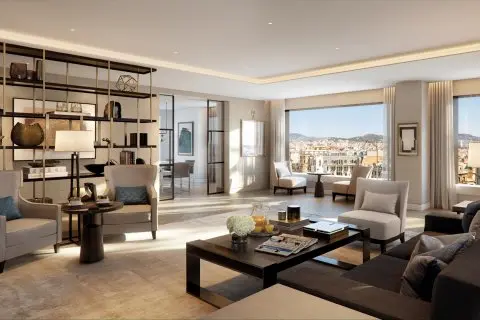
How many living rooms are in the apartment?

Key Areas and Administrative Divisions
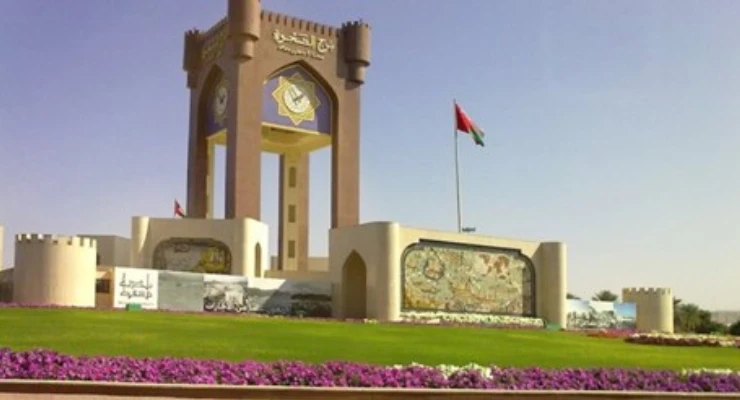
The Governorate of Muscat is divided into six main Wilayats (provinces), each with its unique features and attractions:
As the administrative and political capital, Muscat houses numerous government buildings and embassies. It is known for its historical and cultural landmarks, including Al Alam Palace, Al Jalali, Al Mirani Forts, and Bait Al Zubair Museum.
Muttrah

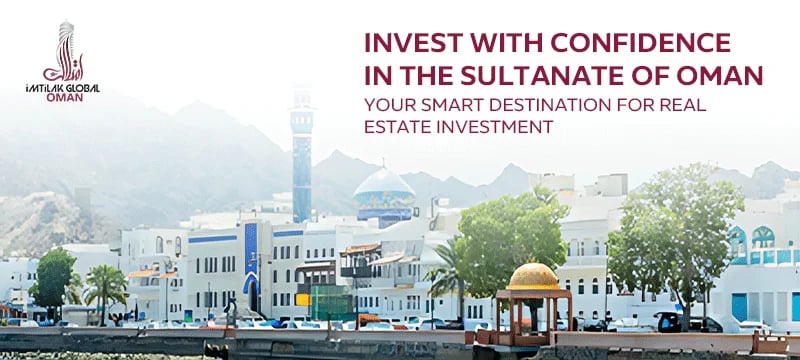
Muttrah is one of the oldest districts in Muscat, famous for its traditional Muttrah Souq, one of the oldest markets in Oman Sultanate. The Muttrah Corniche offers breathtaking sea views and is a great place for a stroll.
Bawshar is a modern and developed area, home to many commercial centers and luxury hotels. It is well-known for the Qurum district, which boasts numerous upscale restaurants and cafes.
Located on the northern coast, Seeb Province is known for its beautiful sandy beaches and modern shopping centers. It is an ideal residential area for families, featuring numerous schools and healthcare facilities.
Situated southeast of Muscat, Al Amrat Province is renowned for its picturesque natural scenery. It includes several new residential areas and is perfect for those seeking a quiet lifestyle away from the city's hustle and bustle.
Located in the southern part of the Muscat Governorate, Quriyat district is known for its many valleys and natural springs. It is a prime tourist destination where visitors can enjoy nature, camping, and swimming in the wadis.
General Information
Get a free real estate consultation
What is your preferred way of communication? How would you like to be contacted?

Get a free real estate consultation
Choose the appropriate day for us to contact you
|
Information
|
Details
|
|
Area
|
3,500 km²
|
|
Population
|
Approximately 1.56 million
|
|
Official Language
|
Arabic
|
|
Religion
|
Islam
|
|
Official Currency
|
Omani Rial (OMR)
|
|
GDP
|
Approximately $85 billion
|
Infrastructure
Muscat boasts a well-developed infrastructure, providing a wide range of modern services and facilities.
- Transportation
The city has an extensive and modern road network connecting all parts of the governorate, along with bridges and tunnels that facilitate traffic flow. Muscat International Airport features state-of-the-art terminals and facilities, accommodating a large number of passengers annually, and is one of the region’s leading airports.
- Education
Start a chat
Talk to us on your favorite channel







Muscat is home to many leading educational institutions, including universities and international and local schools. Sultan Qaboos University is one of the most prestigious universities in the region, offering a diverse range of programs across all disciplines.
- Healthcare
Muscat provides high-quality healthcare services through a network of hospitals and medical centers equipped with the latest technology. The Royal Hospital and Khoula Hospital are among the top healthcare institutions in the city.
- Communications
Muscat has a well-developed infrastructure in communications and information technology, with extensive coverage of mobile phone networks and high-speed internet.
Are you ready to invest? Which apartment type do you prefer?
 Studio
 One bedroom
 Two bedrooms
 3 bedrooms or more
Select region
Economy
Muscat’s economy is heavily reliant on oil and natural gas, but significant efforts are underway to diversify the economy and promote other sectors such as tourism, industry, and logistics.
- Oil and Gas: Oil and gas form the backbone of Oman’s economy, contributing the largest share of government revenues.
- Tourism: Tourism is one of the promising sectors, with the government aiming to develop it further by enhancing tourism infrastructure and organizing events and festivals to attract more tourists.
- Trade and Services: The free zone in Muscat plays a crucial role in boosting trade and investment, offering a favorable environment for both foreign and local companies to operate and grow.
- Industry: Muscat is witnessing significant growth in the industrial sector, with many major industrial projects underway in various fields such as petrochemicals, food processing, and construction.
Related: Advantages of Investing in Oman.
Cultural Heritage
Muscat is a vital cultural center in Oman, known for its rich heritage in traditional arts and crafts.
- Traditional Arts
Traditional arts such as folk dances, Omani music, and handicrafts like pottery and weaving reflect the city’s rich culture and long history.
- Museums
Muscat is home to several museums and art galleries that showcase Omani history and culture, such as the National Museum and Bait Al Zubair Museum. These museums provide visitors with the opportunity to explore Omani heritage through a wide range of artifacts and exhibits.
- Festivals
Muscat hosts numerous cultural events and festivals throughout the year, such as the Muscat Festival, which showcases traditional arts, crafts, and local cuisine, promoting awareness of Omani cultural heritage.
Tourism
Muscat is a remarkable tourist destination with its natural and historical attractions.
How many living rooms are in the apartment?
Tourist Attractions
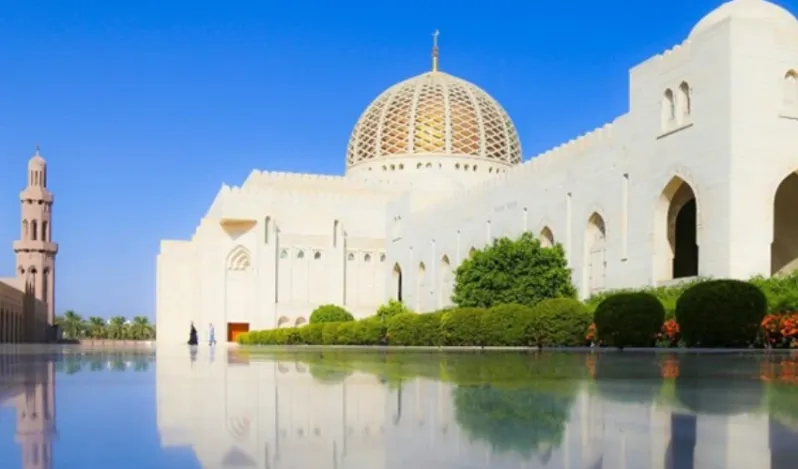
- Sultan Qaboos Grand Mosque: One of the largest mosques in the world, renowned for its stunning architecture and expansive courtyards.
- Al Alam Palace: The official residence of the Sultan, a prominent landmark in Muscat with its unique design and beautiful gardens.
- Muttrah Corniche: Offers picturesque sea views and is a great place for a leisurely walk.
- Muttrah Souq: One of the oldest markets in Oman, offering a variety of traditional goods and souvenirs.
- Qurum Beach: An ideal spot for relaxation and water activities.
Muscat offers a variety of tourist activities, including diving, boat trips, and mountain camping, making it an ideal destination for adventure and exploration enthusiasts.
Start Your Living Experience in Muscat with Imtilak Global
If you are considering moving to Muscat, you can rely on Imtilak Global, our company specializing in real estate in Oman, to provide the perfect property for your needs. We ensure a unique and secure living experience in the most beautiful areas of Muscat.
Contact us today for a free consultation on the best available real estate options.
Do you like this topic? You can share it with your friends now!


Do you like this topic? You can share it with your friends now!
Need real estate help?
Consult with our specialist