


Omani Economy | Ambition Encompassed by Diversity
2025-07-24
19,332 Views
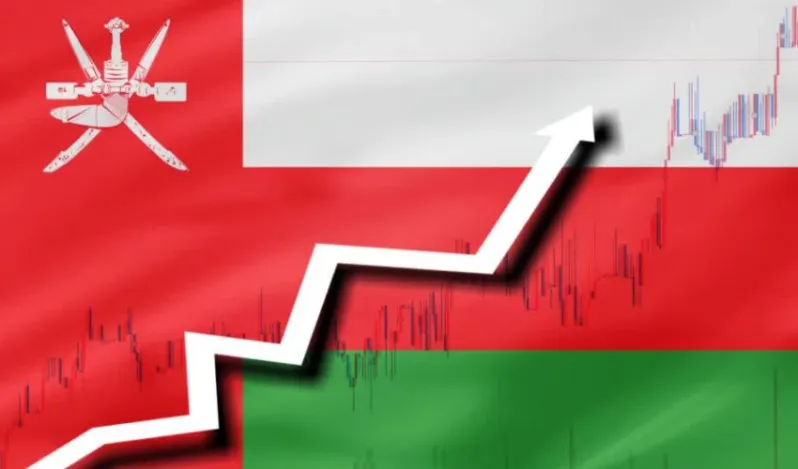


The Sultanate of Oman continues its persistent efforts to enhance economic diversification as part of its strategy to achieve long-term financial and economic stability.
Since the 1980s, the Sultanate has been implementing policies and programs aimed at reducing its dependence on oil and gas, leading to the strengthening of non-oil sectors.
These efforts have become more evident and effective in recent years with global economic challenges and fluctuating oil prices.
Oman Vision 2040 emphasizes the need to enhance vital sectors such as tourism, agriculture, mining, and manufacturing, contributing to the creation of a sustainable economy capable of facing future challenges.
The government has allocated significant resources to these sectors to ensure sustainable economic growth, create new job opportunities, and thus improve the quality of life in the Sultanate.
In the latest data from the second quarter of this year, non-oil activities showed notable growth, with their contribution to the GDP increasing to 68.75%, driven by strong performance in agriculture, manufacturing, and services sectors. Meanwhile, the contribution of oil activities has declined, reflecting the Sultanate’s growing reliance on non-oil sectors for growth.
Additionally, the Sultanate has witnessed an increase in foreign direct investments, reaching 25.39 billion Omani Riyals in the first quarter of this year, with a strong focus on oil and gas, industry, and real estate activities. These investments are part of ongoing efforts to enhance economic diversification and achieve sustainable development.
The National Program for Economic Diversification, "Tanwea" plays a pivotal role in promoting these efforts by providing a range of policies and executive initiatives aimed at enhancing the added value of natural resources and developing various economic sectors. These policies include regulating the sale and purchase of minerals, enhancing integration between ports, and developing a strategy for supplying essential food commodities to reduce economic risks.
Through these efforts, the Sultanate of Oman seeks to strengthen its position as a diverse and sustainable economy capable of attracting investments and keeping pace with global changes.
What is the role of real estate in the Omani economy?
The real estate sector plays a crucial role in supporting the Omani economy, as it is one of the essential pillars of economic diversification that the Sultanate aims to achieve under its strategic plans, especially Vision Oman 2040.
Recently, Oman’s real estate market has witnessed significant growth due to government investment and initiatives aimed at encouraging the private sector and foreign investors.
The real estate sector contributes significantly to the GDP and is one of the promising sectors that offer diverse job opportunities and support related economic activities such as construction, finance, and logistics services.
The Sultanate has also enhanced the attractiveness of the real estate sector through several legislative reforms that allow foreigners to own properties in designated areas, opening the door for foreign investments and boosting demand for residential, commercial, and tourism properties.
Moreover, the expansion of infrastructure projects, including roads, ports, and airports, has contributed to the development of urban areas and supported the growth in demand for real estate.
All in all, the real estate sector in Oman forms an essential part of the country’s economic sustainability plans.
Edited by: Imtilak Global©
Do you like this topic? You can share it with your friends now!


More From Imtilak
Oman news
Real estate transactions in the Sultanate exceed 1.43 billion riyals during the first half of 2026



Oman news
The Omani real estate market records 1.7 billion riyals in July and mortgage jumps by 22%
Oman news
New decision: Facilities regarding the residence of foreigners and property owners in the Sultanate of Oman