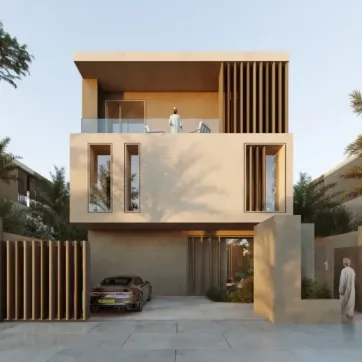
Real Estate Investment in Oman for Expats
2026-03-31
1,067 Views



Why Invest in Oman?
- Strategic Geographic Location
Oman enjoys a prime location connecting Asia, Africa, and Europe. Its access to major shipping routes and proximity to global markets make it a strong hub for trade and business. This geographic advantage increases demand for both residential and commercial properties.
- Economic Stability and Government Support
Oman’s economy is steadily diversifying beyond oil, focusing on tourism, logistics, and real estate. The government actively encourages foreign investment by offering incentives, simplified regulations, and long-term residency options.
- Advantage Compared to Other Gulf Countries
Compared to other Gulf countries like the UAE or Qatar, Oman offers:
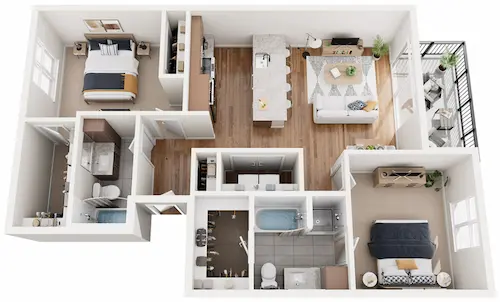
How many living rooms are in the apartment?

- Lower property prices
- Less market saturation
- More affordable entry points for investors
- A peaceful and less volatile environment
This makes Real estate Investment in Oman for expats particularly attractive for those seeking value and long-term growth.
Legal Framework for Expat Real Estate Investment
Where Can Expats Legally Own Property in Oman?
Foreign ownership in Oman is mainly allowed in designated areas called Integrated Tourism Complexes (ITCs).
ITCs are specially developed zones that allow non-Omani investors to own property on a freehold basis. These areas are designed to promote tourism and foreign investment.
Why Is Ownership Limited to ITCs?

The government restricts foreign ownership to ITCs to maintain control over land use while still encouraging international investment. This ensures organized development and protects national interests.
Examples of ITC Areas in Oman
Some of the most popular ITCs include:
- Al Mouj Muscat
- Muscat Hills
- Jebel Sifah
- Salalah Beach
Freehold Inside vs Outside ITCs
- Inside ITCs: Expats can fully own property (freehold)
- Outside ITCs: Ownership is generally restricted, but long-term usufruct rights may be available
Usufruct Rights vs Freehold Ownership
Usufruct is a legal right allowing expats to use and benefit from a property for a fixed period (usually up to 50 years, renewable), without owning the land itself.
When Is Usufruct Used?
It is typically used outside ITC zones or in commercial agreements where full ownership is not permitted.
Impact on Resale and Rental
- Freehold: Easier resale, full ownership rights, better long-term value
- Usufruct: Limited duration may affect resale value, but still allows rental income
Which Is Better for Long-Term Investors?
For most expats, freehold ownership within ITCs is the preferred option due to security, flexibility, and long-term benefits.
Get a free real estate consultation
What is your preferred way of communication? How would you like to be contacted?

Get a free real estate consultation
Choose the appropriate day for us to contact you
Minimum Investment Requirements for Expats
The minimum investment required for expats in Oman depends mainly on the type and location of the property, especially within Integrated Tourism Complexes (ITCs). In most cases, property prices start from around OMR 45,000 and can exceed OMR 250,000 for premium units, which may also qualify investors for residency programs. There are generally no strict limitations on residential property types, while commercial investments may involve additional regulations.
Buyers should also consider extra costs such as registration fees, which typically range between 3% and 5%, along with administrative expenses. Completing the purchase requires official registration with the Ministry of Housing.
Property Investment and Residency in Oman (Investor & Golden Visa)
Oman offers attractive residency options for expats who invest in real estate, making it a preferred destination for long-term living and financial growth. Through property investment, foreigners can apply for investor residency programs, commonly known as the Golden Visa.
Typically, investing around OMR 250,000 grants residency for several years, while higher investments of OMR 500,000 may offer extended benefits and longer durations. These residency permits allow investors to sponsor their family members and enjoy access to local services. However, maintaining ownership of the property is usually required to keep the residency status active throughout the validity period.
Types of Real Estate Investments in Oman
Start a chat
Talk to us on your favorite channel







1. Residential Properties
Residential properties are among the most popular choices for expats investing in Oman, as they offer both lifestyle benefits and steady rental income potential. Options include apartments, villas, and townhouses, particularly within Integrated Tourism Complexes (ITCs) where foreign ownership is permitted.
These properties are often located in well-developed communities with modern amenities such as swimming pools, security services, and recreational facilities. Demand for residential units remains strong in cities like Muscat and Salalah, driven by both locals and expatriates. This makes residential investments a relatively stable option, suitable for long-term returns, personal use, or short-term holiday rentals.
2. Commercial Properties
Commercial properties in Oman offer attractive opportunities for expat investors seeking higher rental yields compared to residential units. These include offices, retail shops, and mixed-use spaces, particularly in business hubs like Muscat. Demand is driven by growing economic activity and expanding sectors such as tourism and logistics.
However, commercial investments may require higher capital and careful market analysis. Choosing strategic locations and understanding tenant demand are essential to ensure stable income and long-term investment success.
3. Tourism & Hospitality Investments
Are you ready to invest? Which apartment type do you prefer?
 Studio
 One bedroom
 Two bedrooms
 3 bedrooms or more
Select region
Tourism and hospitality investments in Oman are becoming increasingly attractive due to the country’s growing focus on tourism development. Expats can invest in hotels, resorts, and serviced apartments, especially in popular destinations like Muscat and Salalah. The steady increase in tourist arrivals, supported by government initiatives, creates strong potential for high returns.
These investments often benefit from seasonal demand and long-term growth prospects. However, success in this sector requires careful planning, professional management, and choosing locations with strong tourism appeal.
4. Off-Plan Opportunities
Off-plan properties in Oman present a valuable opportunity for expat investors looking to enter the market at competitive prices. These properties are purchased during the construction phase, often with flexible payment plans that reduce the initial financial burden. Investors can benefit from potential price appreciation once the project is completed, especially in high-demand areas within ITCs.
However, it is important to choose reputable developers and review project timelines carefully to minimize risks and ensure a successful investment outcome.
Read also: Property for sale in Oman for expats
Best Regions in Oman for Expat Investors
Oman offers several attractive regions for expat real estate investors, each providing unique advantages based on investment goals and lifestyle preferences. Choosing the right location plays a key role in maximizing returns and ensuring long-term value. Key areas include:
- Muscat: The capital city with strong demand, advanced infrastructure, and premium developments.
- Salalah: Known for its natural beauty and strong tourism appeal, especially during the Khareef season.
- Jebel Sifah: A peaceful coastal destination ideal for luxury living and holiday homes.
- Muscat Hills: A modern residential area popular for golf communities and high-quality housing.
Each region offers opportunities suited to different investment strategies.
Risks & Considerations for Expat Real Estate Investors
Investing in Oman’s real estate market can be rewarding, but expats should carefully evaluate potential risks before making a decision. Understanding these factors helps in minimizing challenges and ensuring a more secure investment experience.
- Market Fluctuations: Property values may vary depending on economic conditions and demand.
- Liquidity Challenges: Selling a property may take time, especially in less active areas.
- Legal Regulations: Investors must fully understand ownership laws and ITC restrictions.
- Maintenance Costs: Service charges and upkeep expenses can affect overall returns.
- Currency Risks: Exchange rate changes may impact investment value for foreign buyers.
By assessing these considerations in advance, expat investors can make informed decisions and build a more stable and successful real estate portfolio in Oman.
How many living rooms are in the apartment?
Tips Before Investing in Oman for Expat
Before making any real estate investment in Oman, expats should take time to understand the market and plan their strategy carefully. A well-informed approach can significantly reduce risks and improve the chances of achieving long-term returns.
- Research the Market: Study property trends, demand, and pricing in your chosen area.
- Choose the Right Location: Focus on areas with strong growth potential and rental demand.
- Work with Trusted Experts: Seek guidance from experienced real estate professionals.
- Understand All Costs: Consider registration fees, maintenance, and service charges.
- Define Your Goals: Decide whether your focus is income, appreciation, or residency.
By following these tips, expat investors can make smarter decisions and build a more secure and profitable investment in Oman’s real estate market.
Why Choose Imtilak Global for Investing in Oman?
Imtilak Global stands out as a trusted partner for expats looking to invest in Oman’s real estate market, offering expert guidance tailored to individual investment goals. With strong market knowledge and access to premium ITC projects, the company ensures a smooth and secure investment process from start to finish. Their team also provides support in legal procedures and residency options, helping investors make confident decisions.
Contact Imtilak Global today to explore the best opportunities and start your investment journey.
Get a free real estate consultation
What is your preferred way of communication? How would you like to be contacted?
Get a free real estate consultation
Choose the appropriate day for us to contact you
Do you like this topic? You can share it with your friends now!


Do you like this topic? You can share it with your friends now!
Need real estate help?
Consult with our specialist