


How Infrastructure Projects Impact the Real Estate Market in the Sultanate of Oman
2025-11-13
4,589 Views


- The Importance of Infrastructure Projects in the Sultanate of Oman
- Positive Impacts of Infrastructure Projects on the Real Estate Market
- Potential Challenges of Infrastructure Projects on the Real Estate Sector
- Examples of Infrastructure Projects That Have Impacted the Real Estate Market
- Future Expectations for the Real Estate Market in Light of Infrastructure Development
The Importance of Infrastructure Projects in the Sultanate of Oman
Infrastructure projects are fundamental to supporting economic development and ensuring sustainable growth in any country, and the Sultanate of Oman is no exception. The Omani government is committed to developing infrastructure projects to improve the quality of life for citizens and residents, attract foreign investments, and strengthen the country’s position as a regional hub for business and trade. These projects include the development of highways, ports, airports, new cities, and modern transportation systems, which directly impact various economic sectors, particularly real estate.
Massive government investments in infrastructure are a crucial part of Oman Vision 2040, which aims to enhance connectivity between cities and regions, improve urban environments, and stimulate economic growth. Key projects such as expanding road networks, upgrading airports, and establishing new industrial and commercial zones significantly influence real estate market dynamics, affecting both property demand and valuation. Additionally, improvements in logistics services, such as future railway projects, create new investment opportunities in surrounding areas, further increasing the attractiveness of the real estate sector.
Positive Impacts of Infrastructure Projects on the Real Estate Market
A. Increased Demand for Residential Properties
Infrastructure projects play a pivotal role in boosting demand for residential properties by enhancing the quality of life and making housing areas more attractive. For example, when a modern road network connects major cities with surrounding areas, commuting becomes easier and faster, making these areas more desirable for people seeking affordable housing options outside city centers.
The availability of modern services, such as electricity, water, sanitation, and advanced telecommunications, also enhances the appeal of newly developed residential areas. As a result, demand for properties in these locations rises, both among homebuyers looking for permanent residences and investors seeking rental or resale opportunities. Infrastructure advancements create an active economic cycle that sustains growth in the real estate market.
B. Stimulating Real Estate Investment
Infrastructure projects catalyze real estate investment, attracting both local and international investors to major developments such as industrial zones and advanced ports. These projects create a growing economic environment that encourages investors to explore real estate opportunities in surrounding areas.
For instance, when a highly developed logistics hub is established near a port or airport, demand for commercial properties, warehouses, and office spaces in the area increases, providing significant investment opportunities. Furthermore, improved infrastructure enhances market stability by reducing investment risks, such as poor services or limited accessibility to new developments.
C. Rising Land and Property Prices
Infrastructure development generally leads to a rise in land and property prices in nearby areas. When large-scale projects such as bridges, highways, or modern commercial hubs are implemented, real estate values in surrounding locations tend to increase significantly. This is primarily due to the growing demand for land near these developments, making them more valuable for investors and developers.
Although rising property prices can be challenging for buyers, they present lucrative investment opportunities for property owners and investors looking to benefit from market growth. Additionally, higher prices reflect improved infrastructure and service quality, contributing to the long-term sustainability of the real estate market.
D. Revitalizing the Rental Market
Infrastructure projects directly contribute to boosting the rental market by increasing demand for both residential and commercial properties. When new areas are developed or existing urban infrastructure is enhanced, demand for housing units in these locations grows—whether from employees relocating for work opportunities or families seeking modern living environments equipped with advanced facilities.
The establishment of new commercial and industrial zones also drives demand for commercial properties, such as office spaces, retail outlets, and warehouses, resulting in higher rental returns for property owners and investors.
Potential Challenges of Infrastructure Projects on the Real Estate Sector
Despite their numerous benefits, infrastructure projects may also pose challenges that impact the real estate market. One of the primary concerns is the high cost of implementing these projects, which can influence property prices. Additionally, potential delays in project completion may lead to market uncertainty and disrupt real estate planning.
Some infrastructure developments may also have unforeseen consequences, such as increased pressure on densely populated urban areas or environmental impacts that limit certain investment opportunities.
Examples of Infrastructure Projects That Have Impacted the Real Estate Market
Several key infrastructure projects have significantly influenced Oman’s real estate sector, including:
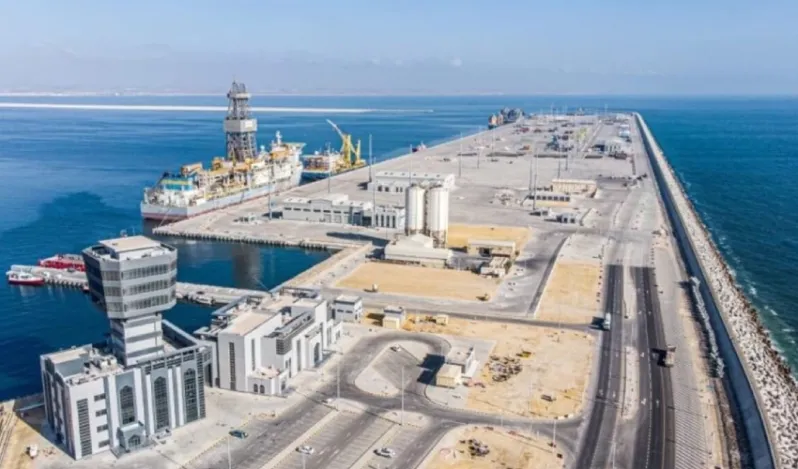
- Duqm Port Project: This project has contributed to the economic development of the surrounding area, increasing demand for residential and commercial properties. It has also attracted investors to establish modern real estate projects, further enhancing economic and commercial activity.
- Modern Road Network Project: The development of highways has improved connectivity between cities, boosting property demand in areas near major roads and encouraging new residential and commercial developments.
- Sultan Haitham City: As one of the largest urban projects in Oman, this development provides high-quality residential units, promoting real estate sector growth and attracting both local and international investors.
Future Expectations for the Real Estate Market in Light of Infrastructure Development
With the ongoing execution of infrastructure projects, Oman’s real estate market is expected to become increasingly attractive to both local and foreign investors. Some areas will likely experience significant price increases due to rising demand. Additionally, the shift towards smart cities and sustainable projects will create new growth opportunities in the real estate sector. Expansion in public transportation and urban development projects will further enhance the appeal of properties in newly developed areas.
Book a Free Real Estate Tour with Imtilak Global
If you are looking for the best real estate investment opportunities in Oman, Imtilak Global offers specialized real estate consultations and free guided tours to explore promising real estate projects. Benefit from our expertise in the Omani real estate market and make informed investment decisions. Whether you are interested in purchasing a residential, investment, or commercial property, our professional team will guide you step by step to choose the best property suited to your needs. Book your real estate tour now with Imtilak Global!
Do you like this topic? You can share it with your friends now!


Do you like this topic? You can share it with your friends now!
More From Imtilak

Investment in Oman
Apartment rentals in Salalah during the autumn season and how to prepare for the annual peak


Investment in Oman
The top 7 freehold projects for Gulf nationals in the Sultanate of Oman 2026
Investment in Oman
The rise in real estate prices in the Sultanate of Oman by 22.7%: What does it mean for investors and buyers?