The fastest-growing areas in the Omani real estate market
2026-09-02
37 Views


Growth in the real estate market is not measured only by general talk about a "promising area", but by actual observable indicators such as the rapid absorption of the first phases of projects, the size of government investment in surrounding infrastructure, the number of new projects launched successively in the same area, and the confidence of multiple developers to continue expanding there. This guide reviews the areas that actually show these indicators in the Sultanate of Oman today, not just areas described as growing without concrete evidence.
- Sultan Haitham City: The clearest indicators of growth in the market today
- Yiti: Growth driven by multiple developers' projects simultaneously
- Al Mouj Muscat: Growth linked to a vibrant integrated ecosystem, not an isolated residential project
- Muscat Hills: Stable, gradual growth supported by a naturally attractive location
- Muscat Bay: Growth driven by a quiet natural location close to the city center
- Salalah: Rising seasonal growth linked to recurring tourism demand
- Why are these areas specifically the fastest growing in the Omani market?
- Frequently Asked Questions
Sultan Haitham City: The clearest indicators of growth in the market today
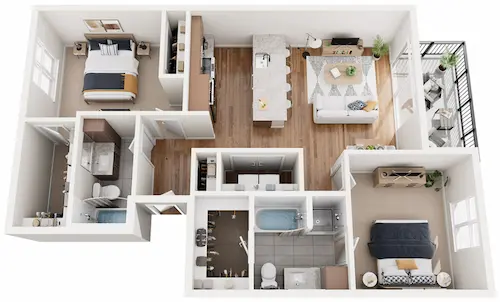
How many living rooms are in the apartment?

Sultan Haitham City tops the list of the fastest-growing areas based on several combined actual indicators: Al Wafa neighborhood achieved a very high sales rate within just a few months of its launch, which is a direct indicator of demand outpacing the speed of new supply. The Wadi Zaha project by Al Ahly Sabbour alone extends within a broader plan covering 100 acres and includes three future neighborhoods, in addition to "The Iconic Tower," the tallest tower in the city so far, which is a new launch reflecting the developer's confidence in the continued growth of the area and not settling for just one phase. Furthermore, real estate residency is now actually being issued for properties under construction in the city's neighborhoods this year, a recent regulatory development that further enhances its appeal.
Yiti: Growth driven by multiple developers' projects simultaneously
The Yiti area is witnessing remarkable growth because it is not just a single project, but an area attracting several simultaneous projects under the umbrella of Omran: Aida, The Sustainable City, and Trump International Oman, each targeting a different segment of investors. The first phase of The Sustainable City has sold out completely, which is tangible evidence of real demand. This concurrence of several luxury, sustainable, and investment projects in one area reflects a clear bet by Omran on Yiti's continued growth as a major coastal destination in the Sultanate.

Al Mouj Muscat: Growth linked to a vibrant integrated ecosystem, not an isolated residential project
The growth of Al Mouj Muscat is different because it is linked to an already existing integrated ecosystem (marina, golf course, international restaurants, cinema), not a new residential project isolated from its surroundings. This means that the value growth of any new project launched in the area, such as Vestal, is supported by existing attractions that do not need to be built from scratch, making it a more stable growth factor than areas that rely on a single project to attract demand.
Muscat Hills: Stable, gradual growth supported by a naturally attractive location
Muscat Hills is growing at a quieter but stable pace, driven by the lasting appeal of its location overlooking golf courses and green spaces. This type of appeal is less affected by short-term market fluctuations and more by seasonal or tourism factors. The continued launch of new projects within this area (such as Golf Hills and Opal Residence) reflects a consistently positive assessment by developers of its growth potential.
Muscat Bay: Growth driven by a quiet natural location close to the city center
Get a free real estate consultation
What is your preferred way of communication? How would you like to be contacted?

Get a free real estate consultation
Choose the appropriate day for us to contact you
Muscat Bay represents a different growth model: a relatively quiet natural area, but close enough to Muscat's center to remain within the scope of daily practical life. This balance between tranquility and proximity is what drives its growth, especially with projects combining compact apartments and spacious family villas within a single master plan, a diversity that expands the base of potential buyers compared to a single-type project.
Salalah: Rising seasonal growth linked to recurring tourism demand
Start a chat
Talk to us on your favorite channel







The growth pattern of Salalah is fundamentally different from Muscat areas, as it is linked to a recurring tourism demand peak annually during the autumn season specifically, not continuous steady growth throughout the year. This seasonal pattern, although different, gives Salalah a unique growth advantage: renewed annual demand that supports the value of direct coastal projects such as Amazi Hawana, making it a geographic diversification opportunity for those seeking investment outside of Muscat entirely.
Why are these areas specifically the fastest growing in the Omani market?
The common factor among these areas is not geographic location, but the type of support they receive: direct government supervision (Ministry of Housing or Omran) in most cases, multiple active developers within the same area instead of relying on a single entity, and actual observable demand indicators (sales rates, sold-out phases) instead of general marketing promises. This combination is what distinguishes real, evidence-based growth from assumed growth based solely on location appeal.
Are you ready to invest? Which apartment type do you prefer?
 Studio
 One bedroom
 Two bedrooms
 3 bedrooms or more
Select region
Real growth in the Omani real estate market appears in specific areas with actual evidence: high sales rates, continuous expansion by trusted developers, and direct government supervision. Sultan Haitham City, Yiti, Al Mouj Muscat, Muscat Hills, Muscat Bay, and Salalah—each has a different growth pattern worth understanding before deciding exactly where to invest.
The Imtilak Global team closely monitors actual growth indicators in these areas and helps you determine which matches your investment horizon. Speak with our real estate consultants to review the latest growth indicators in these areas.
Frequently Asked Questions
What is the clearest evidence of growth in Sultan Haitham City specifically?
The high sales rate in Al Wafa neighborhood within a few months of launch, in addition to the expansion of a single developer (Al Ahly Sabbour) in a master plan covering three neighborhoods and a new tower, and the actual issuance of real estate residency for properties under construction this year.
Is Salalah's growth continuous throughout the year like Muscat?
How many living rooms are in the apartment?
No, demand growth in Salalah is linked to a seasonal peak during the autumn period specifically, unlike Muscat areas which see more stable demand throughout the year.
What is the common factor among all these fastest-growing areas?
Direct or semi-direct government support, multiple active developers in the same area, and documented actual demand indicators, not just general marketing descriptions.
Get a free real estate consultation
What is your preferred way of communication? How would you like to be contacted?
Get a free real estate consultation
Choose the appropriate day for us to contact you
Do you like this topic? You can share it with your friends now!


Do you like this topic? You can share it with your friends now!
Need real estate help?
Consult with our specialist