


 Popular


 Recently added
 Min price
 Max Price
Real Estate for Investment in Muscat
Choose your investment property in Muscat according to your goal, whether capital growth, immediate rental income, or touristic rental, and book your free consultation now with Imtilak Global advisors.Choose your investment property in Muscat according to your goal, whether capital growth, immediate...Read More
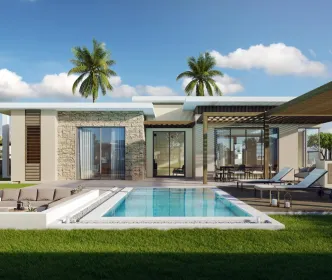

 Jebel Sifah, Muscat, Oman

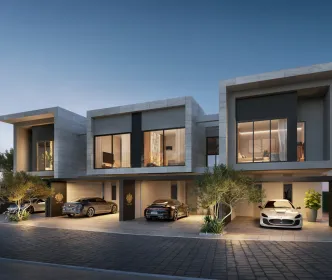
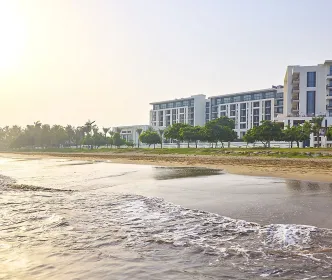
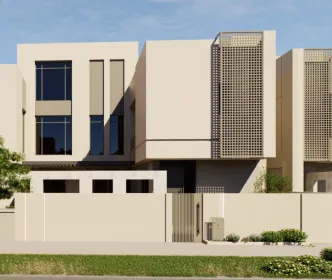
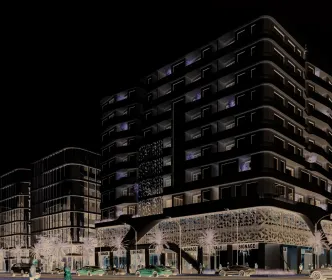
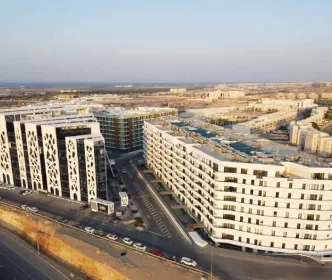
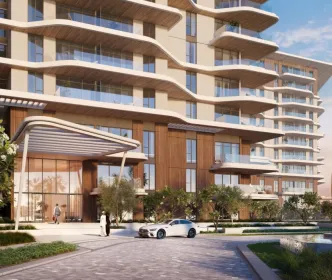
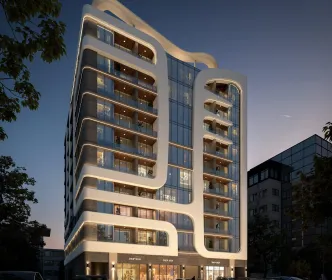
There is no single "best area for investment" in Muscat per se, but rather a more suitable area for each investment model. The capital combines three different markets in one city: the future cities market, where properties under construction are bought for capital appreciation; the mature urban neighborhoods market, where ready buildings with existing rental income are bought; and the coastal resorts market, whose returns depend on tourist demand and hotel-branded units. This page outlines the investment map in Muscat according to area, return model, and rental demand source, helping owners decide where to invest before deciding what to buy. Updated until October 2026.
Quick Investment Table in Muscat by Area
Area | Main Return Model | Project Status | Main Demand Source | Best Suited For |
|---|---|---|---|---|
Sultan Haitham City | Capital growth then long-term rent | Under construction with earliest delivery by end of 2026 | Resident families | Non-GCC foreign investors |
Bousher and mature urban neighborhoods | Immediate documented rental income | Ready rented buildings | Employees, resident families, and shops | Omani and GCC investors |
Al Qurm (Mandarin Oriental) | Immediate rent with hotel services | Ready and delivered | High-income professionals and visitors | Those seeking immediate income in a freehold project |
Yiti (Aida, Trump International, and Sustainable City) | Tourist rent and value growth | Under construction until 2027 and 2028 | Tourists, GCC visitors, and families | Luxury properties and hotel brands |
The Wave Muscat (Vistal) | Residential and tourist rent | Under construction within an existing destination | Foreign professionals and permanent travelers | Those seeking stable demand near the airport |
Muscat Hills | Residential and office rent | Under construction | Employees and companies | More competitive entry price |
Muscat Bay | Resort rent and value growth | Under construction until 2027 | Visitors and residents seeking a coastal lifestyle | Villas and luxury apartments |
The only officially announced return from a developer in this table is Trump International Oman’s expected yield between 8% and 10%. For other projects, returns are estimated per unit based on location, type, and expected occupancy rate.
Where Does Rental Demand in Muscat Come From?
Rental returns are not created by the property alone but by the tenant who demands it. In Muscat, there are four main tenant segments, each with preferred areas and unit types they seek:
Employees and resident professionals are the largest segment. They seek one- or two-bedroom apartments near workplaces and Muscat Airport, in The Wave, Muscat Hills, and urban neighborhoods like Bousher and Al Azaiba. This segment offers stable annual contracts.
Resident families look for larger spaces near schools and services, such as villas, townhouses, and spacious apartments. This segment is targeted by Sultan Haitham City with its planned communities and school complexes.
Visitors and tourists, including GCC families on holidays, demand furnished coastal and resort units for short-term rental in Yiti, Al Qurm, The Wave, and Jabal Sifah. Demand rises during winter and holiday seasons.
Companies and commercial shops rent offices and ground-floor units in residential-commercial buildings, usually with longer contracts, in busy urban commercial areas.
Therefore, the first question in any investment decision in Muscat is: which tenant segment am I targeting? Because the answer determines the area, unit type, number of rooms, and finishing level before price.
Three Investment Models in Muscat and Where Each Works
Here are three investment models in Muscat and where each works:
Capital Growth in Government Projects Under Construction
This model suits the non-GCC foreign investor best and is clearly exemplified in Sultan Haitham City. Investors enter in the first launch phase, pay the initial installment, then pay installments over the construction period instead of freezing the full amount, while the state invests in surrounding infrastructure and services. This equation is supported by practical factors: many projects do not charge marketing commissions to buyers; Ministry of Housing fees are usually paid at final handover, not during installments; with completion and area maturation in a few years, the investor can choose to sell for capital gain or keep the unit for long-term family rental, in addition to being eligible to apply for residence after paying 30% of the value.
In this model, a government project is preferred even if relatively farther from the center over a private project in the city core, because government investment in surrounding infrastructure reduces reliance on a single private company.
Immediate Income from Ready Rented Property
This model suits the GCC investor with ready capital best, as they own property in Muscat like an Omani citizen, operating in mature urban neighborhoods like Bousher by buying residential-commercial rented buildings with apartments on upper floors and shops on the ground floor, with rentals documented by the municipality. The value of this model is that returns are based on actual verifiable contracts before purchase, not estimates, and income is distributed among residential and commercial tenants.
Tourist Rentals and Hotel-Branded Units
This model works in coastal resorts and depends on tourist demand and short-term renting. Prominent are units managed by global hotel brands, as they automatically attract tenants and reduce management burden on owners, such as the Mandarin Oriental Residences ready in Al Qurm, and Aida and Trump International Oman in Yiti. This model requires precise calculation of service fees, management costs, and seasonal occupancy rates, as these determine the difference between gross and net returns.
Exit Strategy and Resale in Muscat
Good investment is built on a clear exit plan from day one of purchase. In Muscat, three factors determine ease of exit:
Unit liquidity first: one- and two-bedroom apartments in demanded locations sell fastest as they appeal to the widest segment of buyers and investors; very large units or those weakly located within the project take longer to find buyers.
Sale terms before handover second: some projects allow exit before completion, as in Trump International Oman, which permits resale of contractual rights after paying 40% of the value—this flexibility allows investors to realize profit without waiting for handover.
Exit costs third: ownership transfer fee is 3% of the sale value on resale, while Oman imposes no tax on individuals’ real estate profits, making capital gain closer to net.
Quick Criteria for Choosing an Investment Property in Muscat
Touristic or permanent residential location? Coastal locations in Yiti, The Wave, and Al Qurm suit tourist and seasonal rentals, while integrated residential cities like Sultan Haitham City suit long-term rental stability with families.
Ready or under construction? Ready properties like Mandarin Oriental or rented buildings provide immediate return, while properties under construction offer value growth margin until delivery with staggered payments.
Declared or estimated return? Projects whose developer announces a specific figure, like Trump International Oman between 8% and 10%, provide a clearer basis for comparison than general estimates.
Target tenant? Determining the tenant segment defines number of rooms, finishing level, and area, protecting the unit from long vacancy periods.
Exit plan? Knowing when and how you will sell and the resale terms in the project before signing, not after.
For complete details on each area and its projects, refer to the Best Available Real Estate Opportunities Currently in Muscat guide, or the Real Estate Investment Guide in Muscat for a full feasibility analysis. The امتلاك Global team continuously updates this map with any new investment opportunity in Muscat, starting with your goal and the tenant type you target, then matching them with the area, unit, and exit plan suitable. Talk to our real estate consultants to review the latest available opportunities and calculate the net return before any commitment.
Frequently Asked Questions
Yes, a US citizen can buy property in Oman, especially in designated areas known as Integrated Tourism Complexes (ITCs) which include popular spots in Muscat. Purchasing property in these areas not only offers ownership but also grants the buyer residency rights, making it an attractive investment option for US citizens interested in the Omani real estate market.