


 Popular


 Recently added
 Min price
 Max Price
Freehold Properties for Sale in the Sultanate of Oman
Buy your property with full freehold ownership in your name in the Sultanate of Oman, whether you are Omani, Gulf, or a resident, and book your consultation now with امتلاك جلوبال to choose what suits you best.Buy your property with full freehold ownership in your name in the Sultanate of Oman, whether you are...Read More
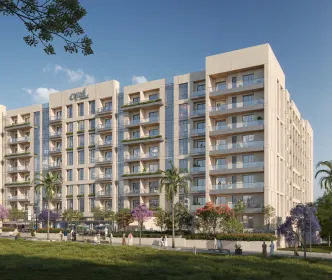

 Muscat Hills, Muscat, Oman

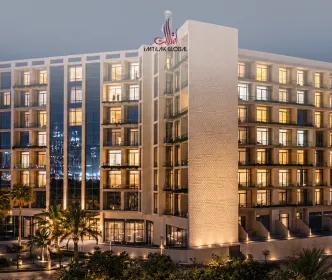
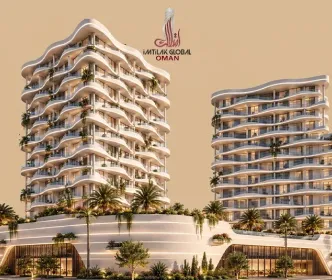

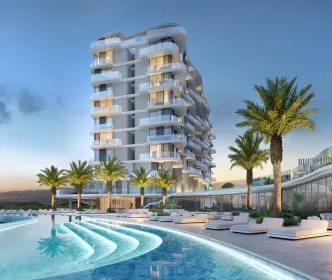
“Freehold” in the Omani real estate market means that you buy the unit to become your property in your name, not to rent it or benefit from it for a specific period. However, the type of freehold available to you and the areas where you can purchase differ depending on your status. Omani citizens, GCC nationals, resident expatriates, and foreign investors each have a different path. This page explains these paths, what you actually own when buying a unit in a building or complex, and the documents and costs associated with freehold from reservation to the title deed.
What Does Freehold Property Mean in the Sultanate of Oman?
The term “freehold” is used in the Gulf market to distinguish between property offered for sale and property offered for rent. Specifically in the Sultanate of Oman, the distinction is clearer because there are three types of relationships a person can have with residential property:
Full freehold ownership is permanent ownership without a time limit. The property is registered in the owner’s name with an official title deed, with the right to live in, lease, sell, and inherit it.
Usufruct right grants the right to use and benefit from the property for a specified long period without becoming the owner of the property itself; this system is designated for a specific category of resident expatriates.
Lease is a short- or medium-term contractual relationship that does not result in any right to the property itself.
Who Is Eligible to Buy Freehold Property in the Sultanate of Oman?
Omani citizens own residential property in any area where residential construction is permitted, both inside and outside modern projects, and they have the widest range of options in the market.
GCC nationals own property in Oman just like Omani citizens do, without being restricted to areas designated for foreigners, except for archaeological, security, and border strip areas.
Non-GCC investors, whether residents in Oman or abroad, own full freehold within officially approved freehold projects, which include integrated tourist complexes, future cities, and qualified integrated residential neighborhood projects.
Resident expatriates in addition have the usufruct right path in specified areas, which is a different path from freehold as explained below.
Also read: Al Yazan Project: Apartments for Sale in Mutrah with Sea and Mountain View
Freehold for Omanis and GCC Nationals and Their Wider Options
Since Omani and GCC nationals are not restricted by freehold zones, they can choose between two types of properties in different concepts.
The first is modern integrated projects, such as Sultan Haitham City Projects and coastal destinations. These suit those who want a new unit within a planned community with services and facilities, with direct installment plans from the developer.
The second is ready property in mature urban areas in Muscat, such as residential and residential-commercial buildings actually leased under contracts documented with the municipality. This type particularly suits GCC investors because they buy ready income from day one instead of waiting for delivery, basing the deal on actual lease contracts rather than estimates.
Freehold Versus Usufruct Right for Resident Expatriates
Many resident expatriates in Oman confuse buying within freehold projects with the usufruct right system. Usufruct is available to resident expatriates with a valid work residence and specific conditions, for one residential unit in multi-story residential buildings within specified areas in Muscat, for up to 50 years with possible renewal.
The essential difference is that the usufructuary does not own the property, and their right is linked to their residency conditions and usufruct duration, whereas freehold in freehold projects is permanent ownership that can be sold and inherited, not linked to continuing work contract. Therefore, we advise the expatriate considering long-term settlement or building an inheritable asset to carefully compare both paths before deciding, rather than choosing based on ease of procedures alone.
Explore The District Project: Luxury Apartments in Bowsher
What Do You Own When Buying a Unit in a Building or Complex?
When buying an apartment or unit within a complex, you do not only own the internal walls of your unit but also own a share in common areas such as entrances, corridors, elevators, pools, gardens, and parking according to the project. This share entails annual service fees covering maintenance, cleaning, security, and facility operation, managed by the project management or developer.
These details deserve reading before purchase because they determine the actual ownership cost in the long term and also the level of maintenance of the project years after delivery, which directly affects your unit’s value at resale. A well-managed project retains its value, and vice versa.
From Purchase Contract to Title Deed
For units under construction, freehold proceeds in two stages: the first stage is the signed sale contract with the developer, which secures your right and includes unit specifications, payment schedule, and delivery date. The second stage is after construction completion and unit handover, when the property is registered in your name and the official title deed is issued.
For ready property, ownership transfer and title deed registration occur immediately after sale completion. In both cases, reviewing the contract before signing, ensuring the unit matches the approved plan, and confirming its freedom from prior obligations in case of resale are steps that ensure secure freehold from the start.
Explore Vistal Project: Apartments for Sale in Al Mouj Muscat
The unit’s value is not the only cost for freehold: there are registration fees upon ownership transfer, annual service fees after delivery, furnishing and preparation costs if the unit is not delivered equipped, and upon resale a transfer fee of 3% of the sale price.
Freehold in the Sultanate of Oman is a decision with a path that varies based on who you are. The right first step is to know the options available for your specific status before comparing projects. At امتلاك Global, we determine the most suitable path with you, whether you are Omani, GCC, resident, or foreign investor, and review the contract, fees, and ownership terms with you before signing. Talk to our real estate consultants today and choose your property with full freehold ownership in your name.