


Escrow account for off-plan projects in the Sultanate of Oman
2026-11-24
82 Views



The Real Estate Regulation Law issued by Royal Decree No. 79/2025 requires every developer selling off-plan units to open an escrow account in the name of the project with a licensed bank. Buyers’ payments are deposited into this account and can only be spent on the construction of the project according to the completion percentage. The law came into effect in March 2026. This article explains what an escrow account is, how funds are disbursed from it, the developer’s obligations toward the buyer, and what the buyer should verify before making any payment in an under-construction project.
What is an escrow account in off-plan sales projects?
An escrow account is a bank account opened by the developer in the name of the off-plan sales project. The amounts paid by buyers or financiers are deposited into it and used for the construction and management of the project. Thus, the buyer’s funds remain linked to the project they purchased in and are not included in the developer’s general accounts.
Legal Framework:
Real Estate Regulation Law (Royal Decree 79/2025): Issued in September 2025 and came into effect 180 days after its publication in the Official Gazette, i.e., in March 2026. It regulates real estate development, off-plan sales, brokerage, valuation, management of jointly owned properties, and escrow accounts under a unified legislative framework.
Escrow Account System for Real Estate Development Projects (Royal Decree 30/2018): The first regulation for escrow accounts in the Sultanate of Oman, which the new law builds upon.
Executive Regulations: To be issued by the Minister of Housing and Urban Planning within a year of the law’s implementation. These will specify the percentages and procedural details. Until then, existing regulations and decisions remain in force as long as they do not conflict with the law.
Which projects are subject to the escrow account? Every project whose units are sold off-plan before construction or completion, whether in a fully integrated tourism complex, a future city, or any other residential project sold in this manner.
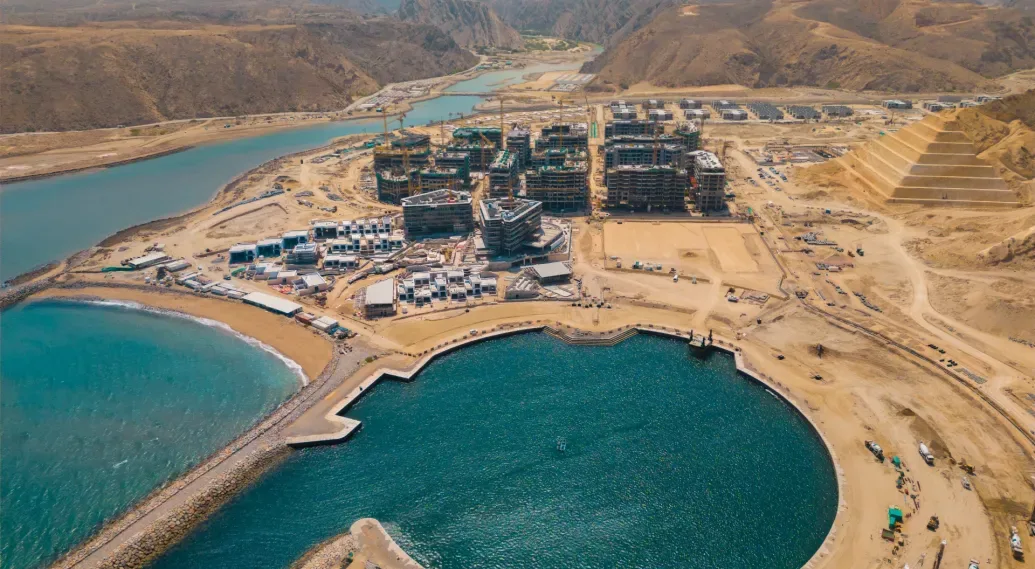
How does the escrow account work and when are funds disbursed?
The buyer’s payments go through the following stages from the moment they are deposited until after handover:
Opening the account before sale: The developer opens the escrow account in the project’s name at a licensed bank after ministry approval. A separate account is opened for each phase of the project. Off-plan sales do not begin until the project is licensed.
Developer’s contribution: Before licensing, the developer deposits a percentage of the project’s total cost as determined by the regulations. The project is not built solely with buyers’ funds. If the project land is mortgaged for financing, the financing amounts are also deposited into the escrow account.
Depositing buyer payments: The buyer pays the agreed-upon installments into the project’s dedicated escrow account.
Disbursement upon completion certificate: Funds are only disbursed to the developer based on a completion certificate approved by the project consultant, indicating the completed works and corresponding amounts due.
Oversight: The bank provides the developer with periodic statements of revenues and payments, which the developer must submit to the ministry upon request. The ministry may appoint an accredited auditor to review the account records. If the completion certificate data is found inaccurate, the ministry appoints another consultant at the developer’s expense and notifies the bank in writing to suspend any further payments.
Retention after handover: A percentage of the unit sales value remains in the escrow account for one year after handover to cover defect repairs.
Protection of funds from the developer’s creditors: Amounts deposited in the escrow account cannot be seized by the developer’s creditors and are not included in the developer’s assets in the event of bankruptcy, except to fulfill the project’s obligations and those of the buyers.
Developer obligations and buyer rights in off-plan sales
Right or Obligation | Legal Provision | Article |
|---|---|---|
Developer and project licensing | Practicing real estate development requires a license from the ministry, as does each project individually. The off-plan sales developer must be a legal entity. | 8, 12, 23 |
Off-plan sales contract | Prepared by the developer and approved by the ministry. Any other contract transferring unit ownership before construction is completed is void. | 24, 25 |
Preliminary registration | Off-plan units are registered in the preliminary real estate register at the ministry. No transaction is valid unless registered there. | 3, 21 |
Delivery as specified | The developer must deliver the unit according to the agreed specifications and area. | 17 |
Structural defect warranty | The developer guarantees major defects in the structure and infrastructure for 10 years from handover. | 18 |
Resale | Neither the developer nor the owners’ association may charge fees for the owner’s resale of their unit. | 19 |
Final ownership transfer | The developer transfers the unit’s registration from the preliminary register to the real estate register, charging only the ministry’s prescribed registration fees. | 22 |
Project failure | The project consultant notifies the ministry within 30 days, so the necessary measures can be taken to address the failure or refer the matter to court. | 28 |
Penalties: The law punishes any developer who withdraws from the escrow account in violation of its provisions or provides incorrect information to the bank with imprisonment from one to three years and a fine from 10,000 to 100,000 Omani riyals (about $26,000 to $260,000), or either penalty. Administrative penalties include suspension, withdrawal, or cancellation of the license, and fines up to 10,000 riyals, which double for repeat offenses.
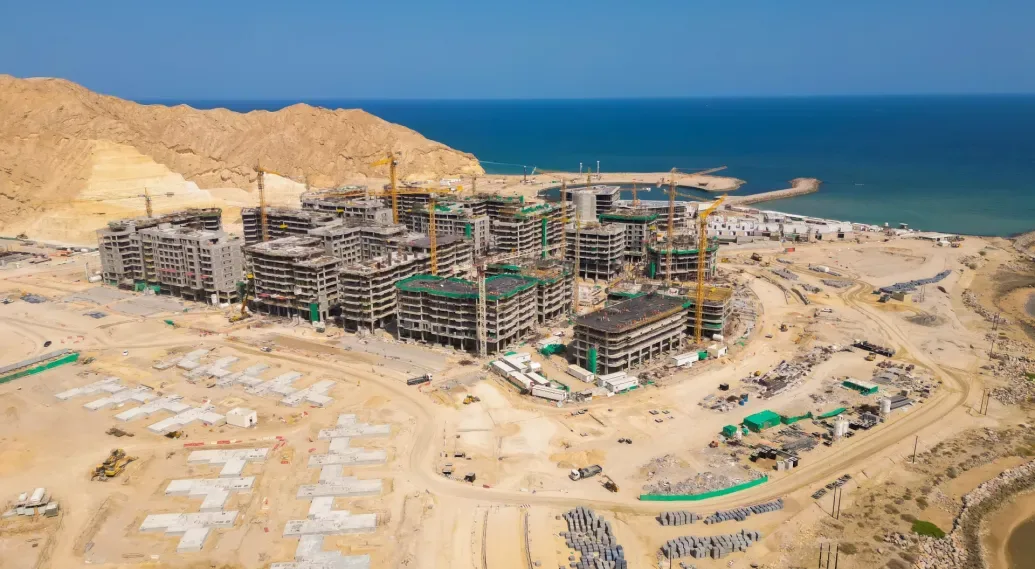
How does the buyer verify the escrow account before payment?
The Ministry of Housing and Urban Planning urges buyers to ensure the project is fully licensed before making any payments. These are the points to check in practice before signing:
Project license: The project must have an off-plan sales license issued by the ministry, and the developer must be licensed to practice real estate development.
Escrow account details in the contract: The contract must specify the bank name and escrow account number opened in the project’s name, and all payments must be transferred directly to it, not to the company’s general account or in cash.
Correct phase account: Since each phase has a separate account, the buyer must ensure their payments go to the account for the phase their unit is in.
Approved contract: The contract must be the off-plan sales contract approved by the ministry, as any other agreement to transfer unit ownership before completion is void.
Entry in the preliminary register: The unit must be registered in the buyer’s name in the preliminary real estate register, as this registration gives the transaction legal effect.
Linking installments to completion: Compare the payment schedule to the construction stages and monitor progress on-site during the payment period.
Keep bank receipts: Retain transfer notifications from the bank for each payment made to the escrow account.
The presence of a real estate broker familiar with the projects and developers makes it easier to review these points, especially for those buying from outside the Sultanate of Oman.
Read also: Cheap apartments for sale in Al Mouj Muscat
The escrow account in the Sultanate of Oman links the buyer’s payments to the project they purchased in and to the actual completion percentage. It protects the funds from the developer’s creditors, guarantees structural defects for 10 years after handover, and it remains the buyer’s responsibility to verify the license, account details, and preliminary registration before making any payment.
The Imtilak Global team reviews the off-plan sales contract and escrow account details with the buyer before signing and monitors construction progress for clients residing outside the Sultanate of Oman until handover. Request a review of your project contract before signing. To view the currently available projects, browse apartments for sale in the Sultanate of Oman.

Frequently Asked Questions
Can the developer use buyers’ payments for another project?
No, the account is opened in the name of the project itself, and funds are only disbursed based on completion certificates for that project. Withdrawing from the escrow account in violation of the law is a criminal offense punishable by imprisonment.
What happens to the buyer’s funds if the developer goes bankrupt?
Amounts deposited in the escrow account are not included in the developer’s assets in case of bankruptcy and cannot be seized by creditors, except to fulfill the obligations of the project and buyers. If the project fails, the ministry intervenes to resolve it or refers it to the court.
Does the law cover projects whose sales began before 2026?
These projects were subject to the escrow account system issued in 2018. The new law requires developers to register all off-plan units and previous transactions in the preliminary real estate register within six months of the law’s effective date.
Can a unit be sold before handover?
This depends on the conditions of each project’s contract. Any transaction involving the unit must be registered in the preliminary real estate register to have legal effect.
Do you like this topic? You can share it with your friends now!


Do you like this topic? You can share it with your friends now!
More From Imtilak
Legal affairs in oman
Foreign ownership in Mutrah and freehold housing opportunities in the heart of historic Muscat



Legal affairs in oman
Signing a property purchase contract in the Sultanate of Oman with an official power of attorney from abroad
Legal affairs in oman
How can you monitor the progress of your property under construction remotely?